REVIEW · MUNICH
Dachau Concentration Camp Memorial Site And Third Reich Day Tour From Munich
Book on Viator →Operated by Alun Evans Personal Tour Guiding Munich · Bookable on Viator
Dachau hits hard, and this tour handles it carefully. This small-group day links the Dachau Concentration Camp Memorial Site with Munich locations tied directly to Adolf Hitler and the Nazi Party, guided in English by Alun Evans. If you want context that connects names, dates, and places, this is built for that.
I especially like the licensed guide approach—Alun’s tone stays respectful while still being clear about what happened. I also appreciate the practical flow: you get round-trip transport from central Munich, then a guided walk through key Third Reich stops after lunch on your own. The main drawback to plan around is that this is a long, heavy day with a lot of walking, and the topic can be emotionally confronting.
In This Review
- Key things to know before you go
- Dachau and Munich’s Nazi-era sites: what this day really covers
- Meeting at Marienplatz, then north to Dachau by train
- Inside Dachau: museum exhibits, prisoner stories, and what you’ll actually see
- How you get breathing room
- A practical consideration
- Munich’s Third Reich walk: Hitler-linked landmarks you can place on a map
- Old Town Hall: the 1938 pogrom decision
- Hofbräuhaus area: Hitler speaking where people gathered
- Odeonsplatz: the beer hall coup of 1923
- Königsplatz: Munich Agreement and Nazi ceremonies
- A good sign: timing and pacing
- The guide factor: what Alun Evans does that changes the day
- Price and value: is $145.18 actually fair?
- Practical tips for a long, emotional day in Munich
- Who should book this Dachau and Third Reich day tour?
- Should you book this tour?
- FAQ
- How long is the tour and what time does it start?
- Where do I meet the guide?
- Is the tour in English and do I get a ticket on my phone?
- How many people are in the group?
- Is lunch included in the price?
- Are children allowed, and can I bring a service animal?
Key things to know before you go
- Licensed guiding at Dachau with time set aside for museum exhibits and paced learning
- Small group size (max 15) that makes questions easier to ask and hear
- A two-part day: Dachau first, then a Munich walking route focused on Nazi-era sites
- Round-trip transport from central Munich so you’re not scrambling for trains
- Practical crowd navigation so your visit feels smoother during busy seasons
- Time to explore on your own at the memorial rather than being rushed the whole way
Dachau and Munich’s Nazi-era sites: what this day really covers
This is not the kind of tour that just points at buildings and moves on. It’s structured to do two things in one day: help you understand what Dachau meant in the Nazi system, and then show how the Third Reich took root in Munich before that system spread.
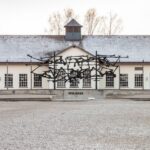
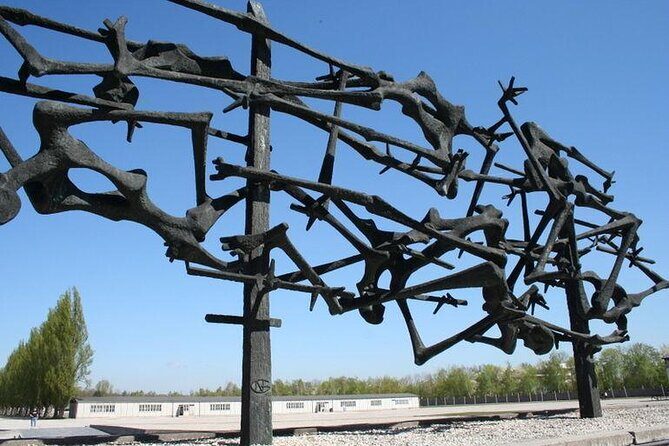
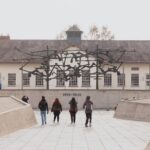
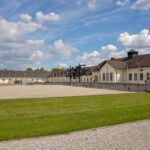
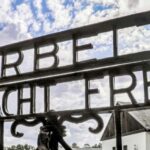
You start with Dachau Concentration Camp Memorial Site, the first Nazi concentration camp in Germany during the Holocaust and a template for later camps. From there, the day shifts to Munich, where specific locations connect to Hitler, the Nazi Party, and key events that helped the movement gain power. If you’ve ever felt like WWII history in a book is disconnected from real streets, this is designed to fix that.
And yes, it’s a heavy subject. The tour doesn’t try to soften it. What it does do well is keep you oriented: where you are, why it matters, and how different individuals fit into the machine of persecution.
Other Dachau Memorial tours we've reviewed in Munich
Meeting at Marienplatz, then north to Dachau by train
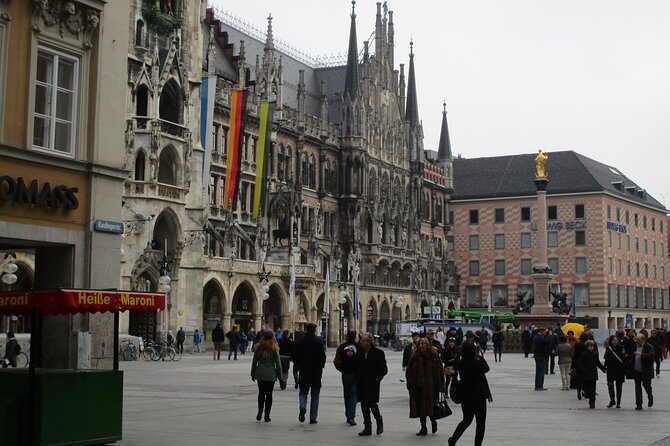
The day kicks off at 9:00 am at Marienplatz (in central Munich). That matters because you’re not starting in some remote spot where you have to figure everything out before you even learn. After the meet-and-greet, you board a train from there and ride about 20 minutes north to Dachau.
This transport detail is more than convenience. When a day is long and emotionally intense, stress drains your attention. Having round-trip transport from central Munich included helps you focus on the why, not the logistics.
Also note the tour operates in all weather conditions. So plan like it’s a long outdoor day, even though Dachau has indoor spaces too. Comfortable shoes and layers are a simple win here.
Inside Dachau: museum exhibits, prisoner stories, and what you’ll actually see
At Dachau, you’re with a memorial licensed guide. The time allocation is about 5 hours at the site, with room for the museum exhibit and guided stopping points.
Here’s what the experience centers on:
- photographs and documents that show what the camp was used for
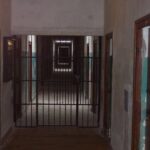
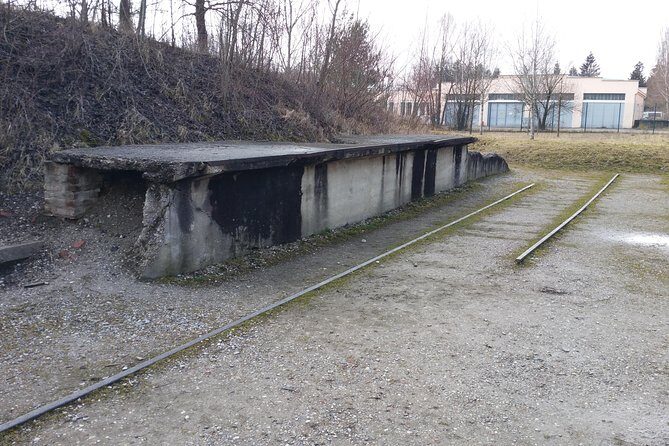
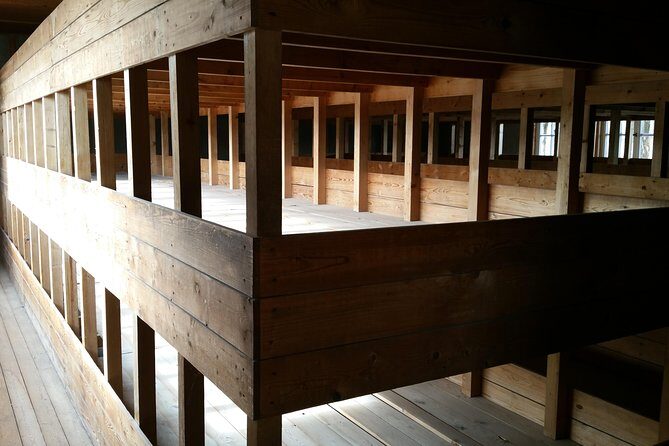
- reconstructed cell blocks so you can visualize confinement more clearly
- the crematorium area, which is part of the camp’s grim system
- administration headquarters, where power and bureaucracy met human cruelty
You’ll also hear about people linked to the site, including Heinrich Himmler and the guard who helped start the camp. The tour doesn’t treat these as trivia names; it explains why individuals mattered to how the camp ran and how orders moved down the chain.
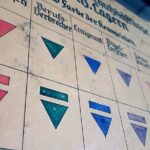
One of the most important parts is the way the stories are handled. Dachau held around 200,000 prisoners, and the tour includes the reality that victims weren’t one group. You’ll hear about communists, German dissidents, gay men, Jehovah’s Witnesses, and Jewish and Polish men and women. That variety isn’t random—it’s the point. The Nazi camp system targeted multiple groups, often for political, religious, racial, or social reasons.
How you get breathing room
A detail I found especially valuable is that the guide gives time for people to explore at their own pace. That’s not wasted time. At Dachau, you don’t just need facts—you need moments to sit with them and choose what to look at more closely. Some memorials can feel like sensory overload if you’re always moving. Here, you’re guided, but you’re not bulldozed through.
A practical consideration
Dachau is confronting. The guide’s job is to present the material with respect and clarity, and this tour is set up for that. Still, you should go in expecting the emotional weight. If you’re sensitive to graphic descriptions or images, take breaks and use the on-site time you’re given.
Other Third Reich & WWII tours we've reviewed in Munich





Munich’s Third Reich walk: Hitler-linked landmarks you can place on a map
After Dachau, you head back toward Munich and take a lunch break (lunch is not included, so you’ll cover it yourself). Then the tour continues on foot with a Third Reich walking tour through central Munich.
This part is where the day becomes useful for people who like to connect history to real geography. Instead of learning Hitler’s rise as a timeline in a textbook, you see the street-level footprint: where public life, party events, and propaganda moved through the city.
You’ll pass and stop at several specific places, including:
Old Town Hall: the 1938 pogrom decision
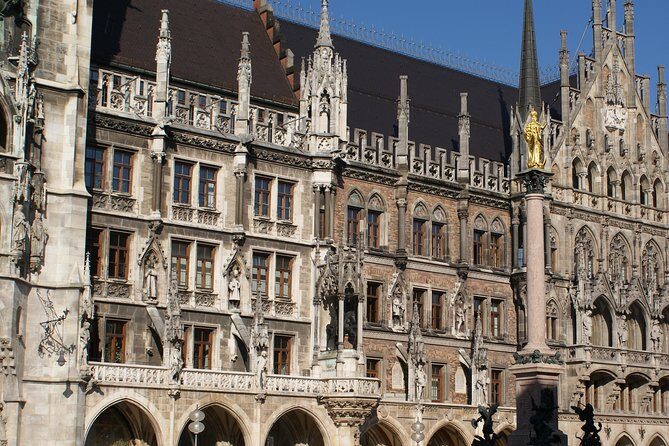
A short stop near the Old Town Hall focuses on 1938, when the decision was made to carry out a pogrom against the Jewish population of Germany. This stop matters because it links Nazi-era violence to official decision-making—not just street-level hatred.
Hofbräuhaus area: Hitler speaking where people gathered
You also walk past the Staatliches Hofbräuhaus area, tied to the fact that Hitler regularly gave speeches there. It’s a reminder that propaganda wasn’t hidden. It was loud. Public. Social.
Odeonsplatz: the beer hall coup of 1923
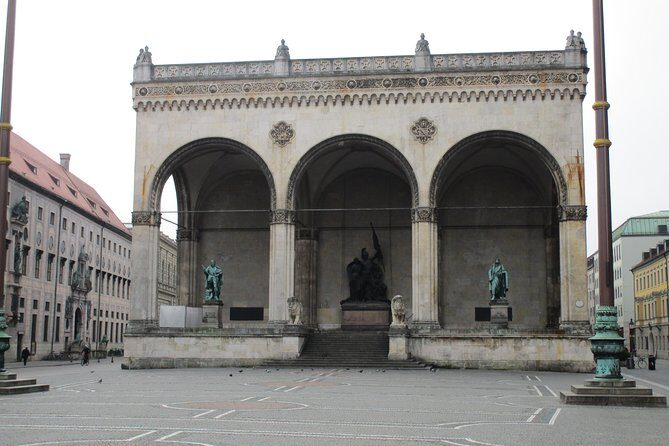
At Odeonsplatz, you’ll look at the location of the beer hall coup in 1923. The story here isn’t just what happened—it’s how Munich became a staging ground for a movement that would later seize national power.
Königsplatz: Munich Agreement and Nazi ceremonies
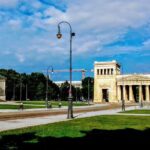
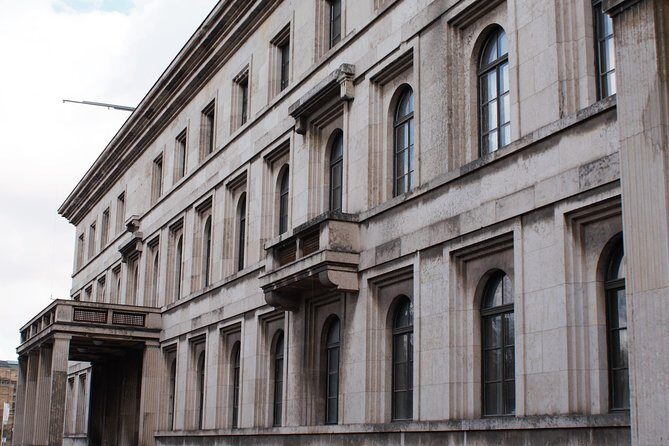
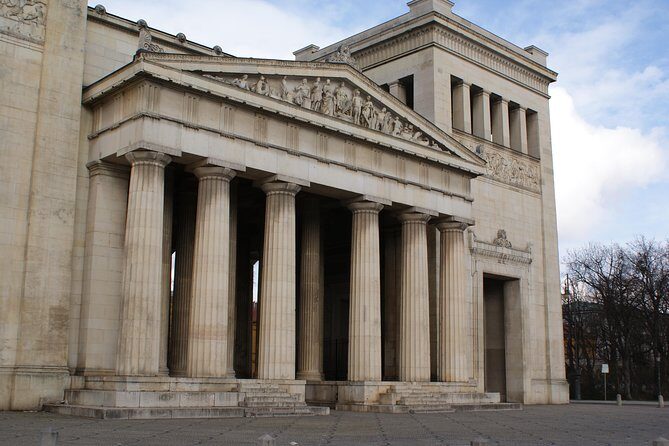
At Königsplatz, you’ll connect the Munich Agreement of 1938 to the site, and also the use of the area for Nazi ceremonies. This is one of those stops where the buildings and open space help you understand how political theater worked.
A good sign: timing and pacing
The walking portion is structured, but the guide’s tone is what makes it work. Alun’s method keeps facts understandable without making the stops feel like a lecture you can’t absorb. There’s also time to ask questions during the day, which helps you clear up confusion before it turns into general fog.
The guide factor: what Alun Evans does that changes the day
The difference between a basic history tour and a standout one is often the guide’s pacing and tone—and that’s where this experience gets consistent praise.
Alun Evans is described as an exceptional orator of German history, but what I think matters more is how he handles a sensitive site. Dachau can trigger a kind of mental shutdown if the facts arrive too fast or too cold. Here, the storytelling is structured to help you follow the chain of events without losing your humanity.
You’ll also benefit from small-group dynamics. A maximum of 15 travelers means it’s easier to hear. It also means questions don’t get swallowed by crowds. In this kind of topic, Q&A can be important—especially if you want to understand names and systems, not just memorize locations.
And if you’re visiting during peak season, you’ll appreciate that the guide knows how to manage timing. People share that the guide uses short cuts and ways to minimize crowding. That kind of know-how is worth something on a day this packed.
Price and value: is $145.18 actually fair?
At $145.18 per person for a roughly 8-hour day, you’re paying for three core things:
- A licensed, expert guide for Dachau
This isn’t just a general city guide. Dachau guiding requires specific authorization and a respectful approach, and you feel it in the way the time is used.
- Round-trip transport from central Munich
That saves you the hassle of figuring out trains while you’re mentally preparing for a serious memorial visit. It also helps keep the schedule intact.
- A full guided narrative across two settings
Dachau plus the Third Reich walk is not a casual add-on. The Munich portion is built around specific linked locations and events, so the day stays cohesive.
Could you DIY it for less? Sure. You could take trains, read plaques, and build your own route. But the value here is how the guide connects the dots: why Dachau mattered, how Munich fed the movement, and how these places fit into the broader story.
For me, the biggest value is the small-group size plus the guidance quality. If you’re the type who likes context and wants to ask questions, the cost starts to feel like paying for time well spent—especially on a day where you don’t want to waste energy.
Practical tips for a long, emotional day in Munich
A few things to plan so you get the most out of it:
- Expect a lot of walking. The tour involves both the Dachau site and a Munich walking route after lunch. Comfortable shoes aren’t optional.
- Dress for all weather. The tour operates in all conditions. Layers and a rain plan are smart.
- Bring a moment-by-moment mindset. Dachau requires attention, and the memorial asks for quiet respect. If you rush, you miss what the guide is building toward.
- Know who this fits. Children under 14 are not permitted. That’s likely for a reason—this topic can be intense. Also, the tour expects moderate physical fitness.
- No hotel pickup. You’re meeting at Marienplatz, so plan to get there easily.
- Mobile ticket. You’ll receive a mobile ticket, so have your phone handy and charged.
One more helpful thought: pack for clarity. Not just for weather—pack for focus. A small day bag with water and essentials helps you stay present during breaks.
Who should book this Dachau and Third Reich day tour?
This tour is a strong match if you:
- want a guide-led Dachau visit with museum time and structured context
- like seeing how political history connects to real streets in Munich
- value small-group pacing and the chance to ask questions
- want one full day that ties Dachau to Munich’s Nazi-era story without doing separate planning blocks
It may not be your best fit if:
- you’re looking for a light, casual city day
- you get worn out by long walking and heavy subject matter
- you need hotel pickup or a very short itinerary
Should you book this tour?
If you’re coming to Munich and you don’t want to waste the most important part of your visit figuring things out, I’d book it. The combination of Dachau + a targeted Third Reich walking route keeps the day focused, and the guide approach is what makes it land with meaning instead of becoming a checklist.
One last thing: choose this tour if you want your questions answered with respect and you’re ready for a truly sobering day. Done right, it doesn’t just inform you. It changes how you see the world afterward.
FAQ
How long is the tour and what time does it start?
The tour runs for about 8 hours and starts at 9:00 am.
Where do I meet the guide?
You meet at Marienplatz (80331 Munich, Germany).
Is the tour in English and do I get a ticket on my phone?
Yes. The tour is offered in English, and you’ll have a mobile ticket.
How many people are in the group?
The tour has a maximum of 15 travelers.
Is lunch included in the price?
No. Food and drinks are not included, and lunch is listed as an own expense.
Are children allowed, and can I bring a service animal?
Children under 14 are not permitted, and service animals are allowed.