REVIEW · MUNICH
Munich Classic City Segway Tour (English or German Guide)
Book on Viator →Operated by Fat Tire Tours Munich · Bookable on Viator
This is one of the quickest ways to get oriented. You’ll glide through major Munich highlights with a small group capped at eight, plus frequent photo stops where your guide explains what you’re seeing in plain, human terms. I especially like the way the route stitches together parks, palaces, and big-city streets in one smooth session. The second thing I really like is the photo-and-story pacing, so you’re not just riding in silence.
You get solid hands-on prep before you roll. There’s a short Segway training block at the start, and guides in this program include names like Mark, Karl, Dan, and Rob, so you can expect a friendly, patient approach—especially for first-timers. The one drawback to keep in mind is that it’s not recommended if you have knee issues or balance problems, and the tour depends on good weather.
In This Review
- Key Things to Know Before You Go
- Why a Segway Tour Works So Well for Munich
- Price and Time: Getting Value Without Feeling Rushed
- Meeting at Karlsplatz 4 and the 10–15 Minute Training Boost
- Hofgarten and English Garden: Munich’s Big Green Reset
- Bavarian Chancellery to Königsplatz: Culture and the Heavy Side
- Pinakotheken Quick Look: Art Without the Museum Detour
- Isar River and Odeonsplatz: The River Break and the Grand Squares
- Residenz München and the Stories of Power
- Eisbach Wave: When Munich Swaps Monuments for Surfer Energy
- Brienner Str. 45: A Somber WWII-Era Stop
- Maximilianeum and Friedensengel: Students, Parliament, and Peace Commemoration
- What’s Included: The Small Comfort Wins That Matter
- How the Guide Style Shapes Your Experience
- Who This Munich Segway Tour Fits Best
- Should You Book This Munich Classic City Segway Tour?
- FAQ
- How long is the Munich Classic City Segway Tour?
- Where do I meet for the tour?
- Do I need Segway experience before going?
- What languages are available?
- How old do you have to be to join?
- Is it suitable if I have knee or balance problems?
- What if the weather is bad or I need to cancel?
Key Things to Know Before You Go
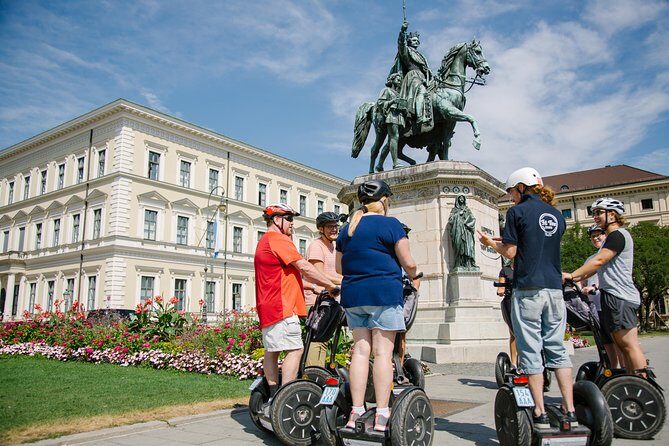
- Small group size (max eight): more attention, easier questions, and less waiting around.
- 10–15 minutes of Segway training: you practice before the city part starts.
- A packed route in about 3 to 3.5 hours: you cover a lot without feeling like you’re sprinting.
- Frequent “look here” photo moments: stops are short, but the guide gives context fast.
- Practical extras on hand: helmet, raincoat, sunscreen, plus free Wi-Fi and luggage storage at the shop.
Why a Segway Tour Works So Well for Munich
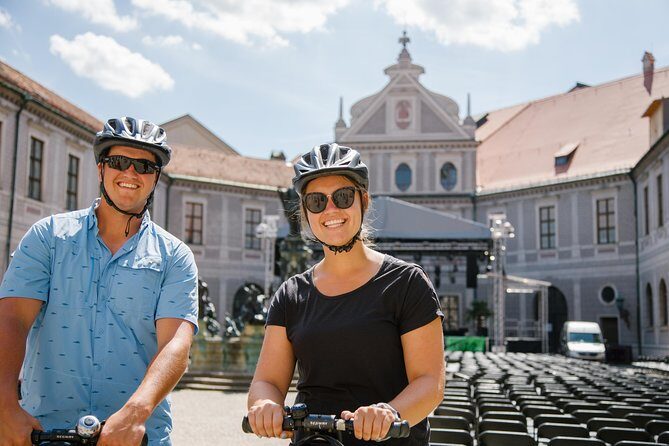
Munich is wide. Streets can stretch, and sights don’t all sit neatly next to each other. That’s why a Segway tour makes sense: you cover ground faster than walking, but you still stop often enough to actually see things.
This one focuses on getting you acquainted with the city’s main “map points.” You’ll ride through central green space, grand squares, and monumental buildings, then hit the river and a surprise sports moment at Eisbach Wave. In other words, you’ll get a mix that feels like real Munich, not just postcard facades.
Most of the time on a guided Segway tour feels like motion with meaning. You’re not trapped in a bus window, and you’re not stuck only at the most famous building. You’re rolling between them.
Other Munich city tours we've reviewed in Munich



Price and Time: Getting Value Without Feeling Rushed
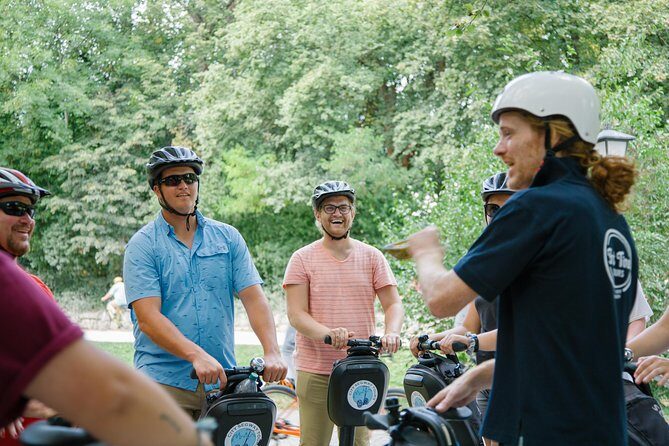
The price is $92.19 per person, for roughly 3 to 3.5 hours. That sounds pricey until you price it against the time you’d otherwise spend stitching the same sights together by transit, walking, and waiting.
Here’s the value angle that matters: you’re paying for three things at once—transportation, a guided route, and Segway setup (including helmet and training). You also get comfort items like raincoat and sunscreen, plus free Wi-Fi and luggage storage at the start shop. For many people, that’s the practical difference between squeezing Munich into a day versus enjoying it.
Do plan for the fact that the tour is fast-paced by design. Stops are usually measured in minutes. You’ll see a lot, but you won’t have time to do slow, deep museum time during the ride itself.
Meeting at Karlsplatz 4 and the 10–15 Minute Training Boost
The tour meets at Karlsplatz 4, 80335 München, and ends back at the same spot. That loop is helpful when you want to keep your day flexible afterward.
Right at the beginning, you get 10–15 minutes of training on the Segway. This isn’t a formality. It’s where beginners typically gain control—starting, stopping, and turning smoothly—so you feel safe before you join traffic-like pedestrian areas.
Guides with names like Mark, Karl, and Rob are mentioned across different outings in this program, and the common theme is patient instruction. That matters because a great city tour can be ruined if everyone is nervous. The training reduces that problem fast.
One more practical point: you’ll be given a helmet, and you’ll be riding for hours. If you’re someone who gets motion discomfort easily, this is where you’ll want to be realistic about your comfort from the start.
Hofgarten and English Garden: Munich’s Big Green Reset
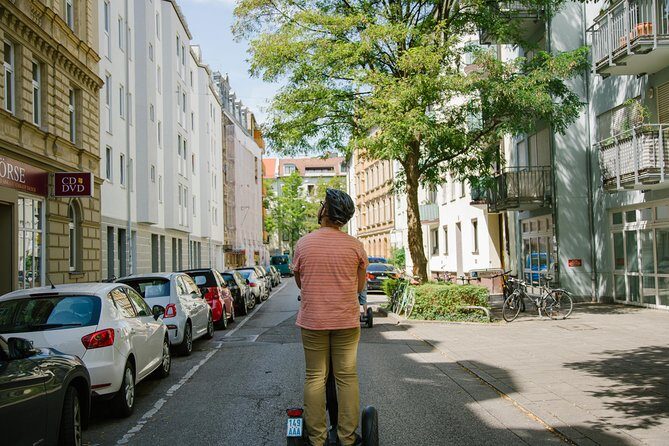
After training, you start with Hofgarten. It’s a beautiful, formal-feeling park stop that sets the tone. You shift from “getting oriented” into “actually viewing.” Hofgarten is a good warm-up because it helps you build confidence on the Segway while still seeing real Munich beauty.
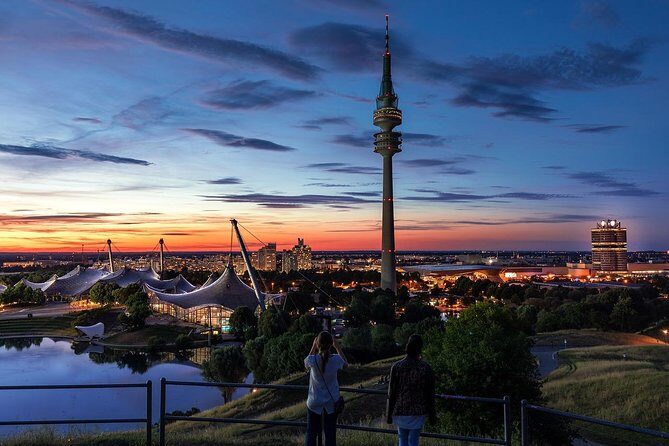
Then comes the English Garden, Munich’s central park. This is one of those places that makes the city feel larger than the buildings alone. Riding through it is a change of pace: less monumental and more open-air, with lots of space around you.
In my view, parks are where Segways shine. Walking can feel long and repetitive in green areas; by Segway you can cover the core feel of the place without tiring out before you reach the architecture stops.
The only catch is weather. Parks are exactly where you’ll feel it—if it’s wet, cold, or windy, the tour still runs but your comfort depends on what the day gives you. That’s why having a raincoat matters.
Bavarian Chancellery to Königsplatz: Culture and the Heavy Side
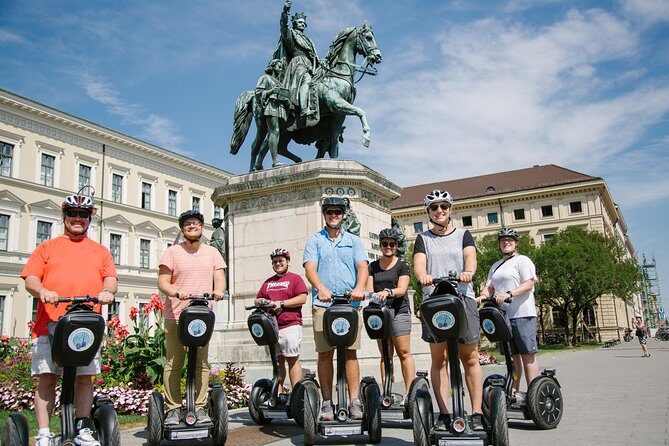
You’ll pass the Bavarian Chancellory next. This is more of a “see it and connect it” moment than a long stop. The point is to show you where power and governance sit in the city’s physical layout.
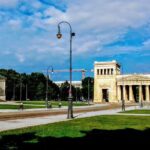
After that, you reach Königsplatz. The best way to think about this stop is two-part. It’s a cultural centerpoint, but it also ties to Nazi marching grounds. That combination means your guide will likely speak with care and context.
Königsplatz is short on time, so you won’t leave with every detail. Still, it’s a valuable checkpoint because it helps you understand why certain squares and buildings in Munich are loaded with meaning beyond aesthetics.
If you prefer tours that keep everything light and strictly celebratory, this is the part where you’ll need to decide what you can handle. I like having context, but I also know some people prefer to avoid political history while sightseeing.
Other guided tours in Munich




Pinakotheken Quick Look: Art Without the Museum Detour
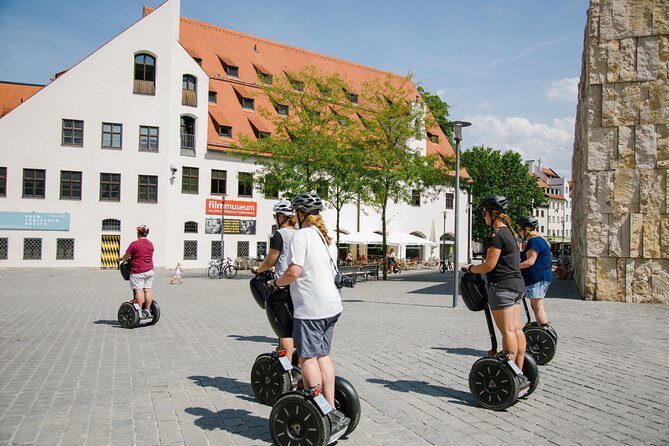
The route then hits Pinakotheken—one of Munich’s famous art-gallery groups. You’ll visit the area in a short stop window, which is perfect for a first visit when you want to know what exists and where to return later.
Because the listed admission for this stop isn’t included, don’t count on this being your museum-day solution. Instead, think of it as a navigation tool. You’ll learn what the Pinakotheken are and where they sit so you can plan a separate visit when you want to go inside.
This is where a Segway tour becomes a smart front-end move. You’re not paying museum entry costs in the middle of a 3-hour ride. You’re getting the “where is it, what kind of place is it” picture.
Isar River and Odeonsplatz: The River Break and the Grand Squares
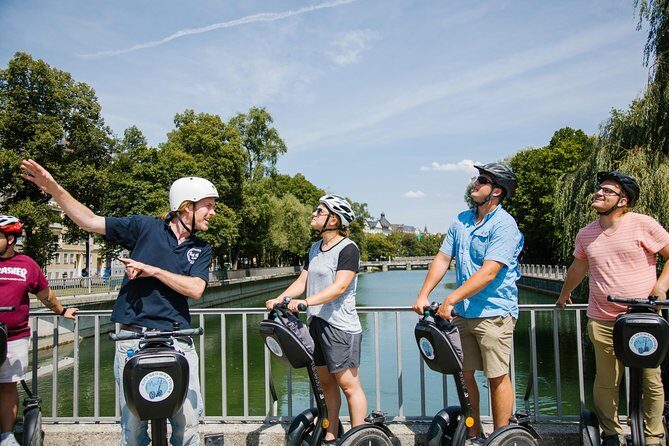
Next, you ride along the banks of the Isar. This is one of Munich’s “breathe here” areas and a major reason people love spending time in the city. On a Segway, you move with the flow of the river rather than fighting long stretches on foot.
Then you reach Odeonsplatz, where you see Feldherrnhalle and the Theatinerkirche. These are architecture-heavy stops, and they work well with Segway pacing. The short duration still lets you take in proportions and get the vibe of how the square frames buildings.
The drawback is simple: if you want slow photography or detailed exterior study, you may wish you had more time here. The guide will keep things moving so the rest of the route stays on track.
Still, for many people, this is exactly the sweet spot. You see major landmarks, you take a few good photos, and you get the names and context so you can connect them later during independent exploration.
Residenz München and the Stories of Power
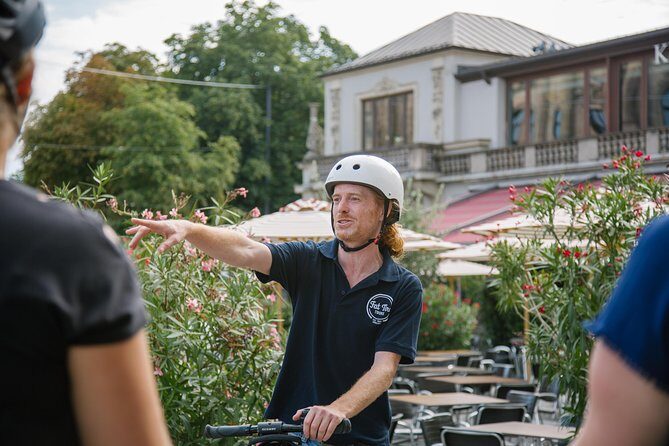
Residenz München is the old royal palace complex, and it’s a centerpiece stop in the tour. You’ll ride through this area and hear stories about the local aristocracy.
This kind of stop is where a good guide makes a difference. A palace isn’t just walls and gates; it’s how status, politics, and daily life intertwined. You don’t need a full museum ticket to get something meaningful out of this—just the framing.
Short stops can feel limiting, but they also help you avoid “museum fatigue.” You walk away with curiosity, not exhaustion. Then you can decide later if you want to return for deeper palace interiors.
If you already know you love royal history, you’ll likely appreciate this stop even more because it gives you a story thread to follow on later visits.
Eisbach Wave: When Munich Swaps Monuments for Surfer Energy
Eisbach Wave is the surprise stop that gives the tour personality. It’s famous for a wave that surfers ride right in the city’s flow.
This is your tonal shift: you’ve been in squares and royal complexes, then suddenly you’re looking at a local sporting phenomenon. The stop is about 10 minutes, and that’s long enough to see the spectacle and take a few photos.
If you like seeing how a city actually behaves day-to-day, this is one of the most fun moments on the route. It’s also a good reminder that Munich isn’t only about history buildings.
Brienner Str. 45: A Somber WWII-Era Stop
Brienner Str. 45 is an important, heavy moment. You’ll visit the headquarters of the National Socialist German Workers’ Party, including the description of Hitler’s office block.
I’m glad this tour includes it, because it prevents Munich from becoming a purely aesthetic experience. But it’s not a “fun photo stop” in the usual sense. It’s more of a reality check that history shaped modern Europe in brutal ways.
The stop is short (around five minutes), so you won’t absorb every detail. Still, it’s valuable for placing the city in context—especially if your previous Munich impressions were mostly about beer halls, churches, and postcard architecture.
If you’d rather keep WWII-era content out of your sightseeing, treat this as the point where you may feel uncomfortable. There’s no avoiding the topic here.
Maximilianeum and Friedensengel: Students, Parliament, and Peace Commemoration
After the heavy stop, the tour shifts back toward civic life.
You’ll visit Maximilianeum, described as the home of a gifted students’ foundation and the Bavarian Landtag (state parliament). It’s a palatial setting tied to learning and governance, which makes it a meaningful contrast to the WWII stop earlier.
Then you end with Friedensengel—the Angel of Peace. This monument is tied to the 25 peaceful years after the Franco-German war. Again, it’s short, but it points you toward how Munich also remembers reconciliation and time periods of relative calm.
These final minutes help you leave with a rounded feel. You don’t just get “old world Munich” or “controversial history.” You get civic education, governance, and commemorative meaning too.
What’s Included: The Small Comfort Wins That Matter
This tour includes the Segway and helmet, plus a few extras that genuinely affect your day.
You get free Wi-Fi and luggage storage at the shop. That’s a big deal if you’re arriving with bags and want to keep hands free during the ride. You also get sunscreen and a raincoat. Munich weather can flip without warning, so having gear provided means you don’t have to guess your wardrobe.
You’ll also receive a mobile ticket, and confirmation happens at booking time. If you’ve ever shown up and worried about printed vouchers, you can breathe easier here.
One more practical note: the tour is near public transportation, which helps if you want to combine it with other plans the same day.
How the Guide Style Shapes Your Experience
The strongest recurring theme in guides’ names is that the instruction is friendly and the storytelling lands. People mention Mark, Karl, Dan, Rob, and Achim, and the descriptions all point to clear teaching and a mix of information with humor.
That matters because a Segway tour is part logistics, part narration. If you’re still learning balance, you don’t want a guide talking in long lectures. You want quick explanations you can process while rolling.
I’d also look at the tour language choice. It’s available in English or German, so pick the one you’ll actually follow without strain. If you’re even slightly unsure, English is often the easier choice for historical context.
Who This Munich Segway Tour Fits Best
This is a great fit if you want:
- a first orientation to Munich in one day window
- a fun ride that still gives context for what you’re seeing
- a small-group experience with up to eight people
- a way to cover parks, major squares, and landmark streets without hours of walking
It may not be your best choice if you:
- have knee or balance problems (it’s explicitly not recommended)
- need a slow, museum-style pace
- want only upbeat stops and can’t handle WWII-era historical sites briefly
For most people over age 14, the combination of training and helmet use makes this feel like a manageable activity.
Should You Book This Munich Classic City Segway Tour?
If you want an efficient introduction to Munich—parks, royal sights, iconic squares, and a couple of real history moments—this tour is a strong pick. The small group size, up-front training, and included comfort gear help it feel organized instead of chaotic.
The main “don’t book” reason is personal comfort and expectations. If you need a quiet, slow sightseeing pace, the short stops and 3–3.5 hour structure may feel too fast. If you have balance or knee issues, skip it.
If you’re okay with that, booking is an easy decision. You’ll leave with a better mental map of Munich and enough context to plan what to revisit on foot.
FAQ
How long is the Munich Classic City Segway Tour?
It runs about 3 hours to 3 hours 30 minutes.
Where do I meet for the tour?
You meet at Karlsplatz 4, 80335 München, and the tour ends back at the meeting point.
Do I need Segway experience before going?
No. You get 10–15 minutes of Segway training before the city ride begins, and most people can participate.
What languages are available?
The tour is offered with an English or German guide.
How old do you have to be to join?
All participants must be over age 14, as required by German law.
Is it suitable if I have knee or balance problems?
It is not recommended if you have knee or balance problems.
What if the weather is bad or I need to cancel?
The experience requires good weather. If it’s canceled due to poor weather, you’ll be offered a different date or a full refund. You can cancel for a full refund up to 24 hours in advance.