Munich changes fast once you start walking. This tour stitches the big landmarks together with human stories, so the city feels logical instead of random. You’ll follow a local guide and hit major squares and churches, with stops timed to keep things moving while still leaving room to ask questions and grab photos.
Two things I like a lot: the tour is private, limited to your group (up to 10), and that makes the explanations feel tailored rather than generic. Also, many stops are ticket-free, so you spend your time sightseeing instead of hunting for entry rules. One possible drawback: it does depend on good weather, and it’s a walking tour with a moderate fitness level requirement.
In This Review
- Key things that make this tour worth your time
- Getting started at the Marienplatz-Karlsplatz hub
- Frauenkirche: why Munich’s brick cathedral stops you
- New Town Hall and the Glockenspiel story you’ll remember
- Old Town Hall: the lottery, the broken-glass night, and Moriskendancer
- Viktualienmarkt: where Munich eats, talks, and buys
- St. Peter’s Church: the layers of style and the tower view
- Ohel Jakob Synagogue: a Munich landmark with Jerusalem echoes
- Why the guide quality is the real selling point
- Price and value: $360.42 per group can be a steal or a splurge
- Practical pacing: how the 2–3 hours actually feel
- Weather and comfort: the one thing you should plan around
- Who should book this tour
- Should you book this private Munich essentials walk?
- FAQ
- Is this tour private?
- How long does the Munich walking tour take?
- Where do we meet for the tour?
- What language is the tour offered in?
- Are tickets included for the sights?
- Is this tour physically demanding?
Key things that make this tour worth your time
- Local guide storytelling that connects buildings, events, and everyday life in Munich
- Private group format (up to 10) for a more personal pace
- Stroll-friendly stops clustered around the center, so you don’t burn time commuting
- Free entry at many highlights, plus St. Peter’s Church with admission included
- Viktualienmarkt break built in for tasting and local specialties
- Top sights plus one cultural detour, including Ohel Jakob Synagogue
Getting started at the Marienplatz-Karlsplatz hub
The tour begins in the city center, with the meeting point set at Marienplatz. The guide also uses Karlsplatz as an easy reference landmark at the start, which is helpful if you’re navigating with transit, maps, or a meet-up app. Either way, plan to arrive a few minutes early so you can check in without stress.
This timing matters. The tour runs about 2 to 3 hours, starting at 12:00 pm, which is a smart slot if you want to get oriented before evening plans. It’s long enough to cover real landmarks and explain how Munich developed, but not so long that you’re done by lunch the next day.
One practical perk: you get a mobile ticket, and the tour runs in English. Also, it’s service-animal friendly and near public transportation, so even if you’re using transit for the rest of your day, you’re not stuck far from the action.
Other Munich city tours we've reviewed in Munich


Frauenkirche: why Munich’s brick cathedral stops you
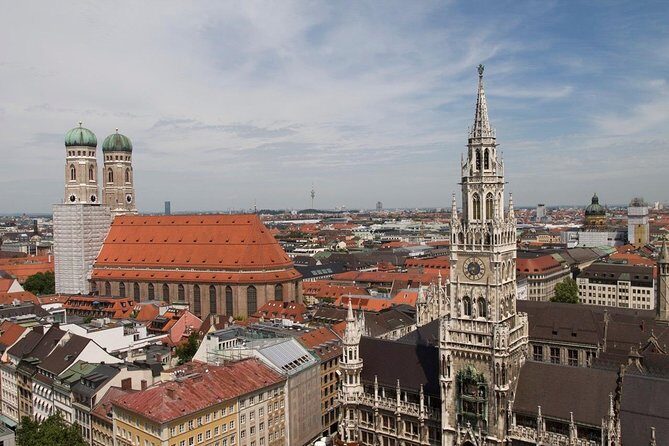
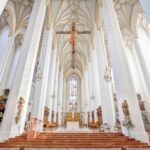
The first major stop is Frauenkirche. This is the kind of landmark that looks impressive even if you don’t know what you’re looking at. The tour frames it as one of the greatest brick cathedrals—so you’re not just staring at stone. You’re learning what makes it special and why it became such a central symbol for the city.
You’ll spend around 45 minutes here, and the admission ticket is free for this stop. That’s a big value point. It means you can focus on the experience: noticing key features, understanding the church’s place in Munich’s identity, and letting your guide explain how this kind of landmark anchors a whole city’s timeline.
The pacing at the start is also a plus. If you’ve been sightseeing with no plan, this helps you reset. A strong first stop sets the tone for the rest of the walk.
New Town Hall and the Glockenspiel story you’ll remember
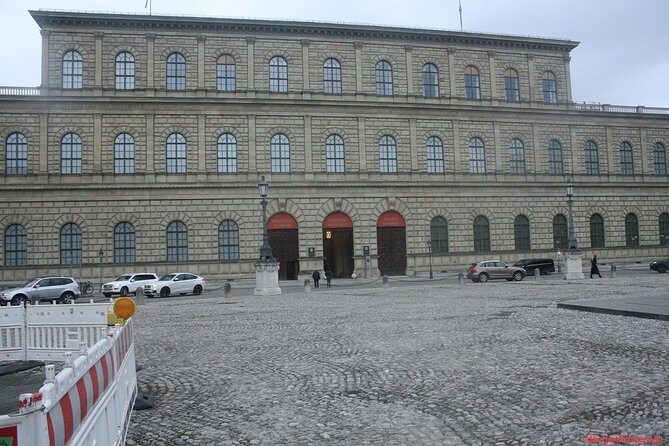
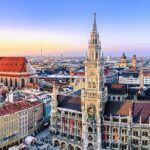
Next up is the New Town Hall (Neues Rathaus) and its famous Glockenspiel area. This part matters because the guide doesn’t treat it like a tourist gadget. You’ll learn what the bells and figures are telling you: a story tied to a marriage, plus the legendary Scheffler dance that’s linked to local lore.
You’ll have about 30 minutes at this stop, and admission is free. The advantage of covering this during a guided walk is simple: you’re not guessing what you’re seeing. Instead, you get context for the movement, the symbolism, and why locals care about it enough to build traditions around it.
If you like your sightseeing with a side of theater, this stop delivers. It’s one of those moments where the city feels like it has a pulse, not just a collection of statues.
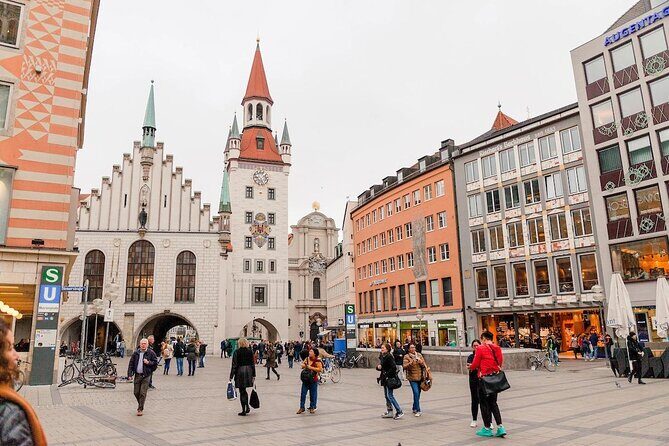
Old Town Hall: the lottery, the broken-glass night, and Moriskendancer
The tour then shifts to the Old Town Hall, where the stories get even more specific. You’ll hear about an old lottery process, and about how the Night of the broken glass was started in this area. There’s also mention of the Moriekendancer, a figure that has been dancing since the late Middle Ages.
Time here is shorter—about 20 minutes—but it’s not a rushed stop. The value is in how your guide picks a few key threads and ties them to the building. That’s the real gift of a walking tour like this: you get narrative anchors, so each place has a job in your understanding of Munich.
Admission is free at this stop too, which helps the tour stay focused. You’re not paying extra just to stand in a square. You’re paying attention and letting the guide’s structure do the heavy lifting.
Viktualienmarkt: where Munich eats, talks, and buys
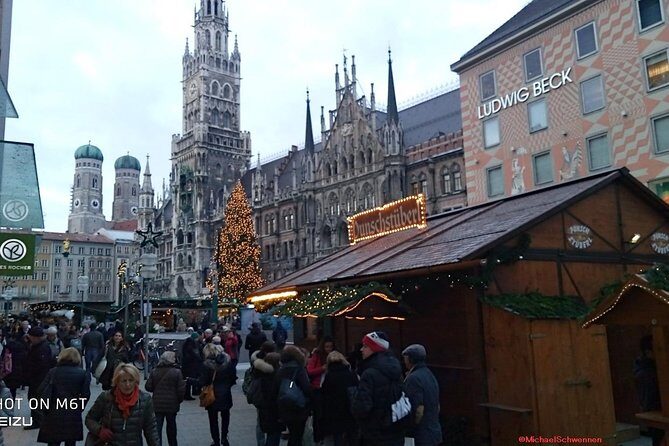
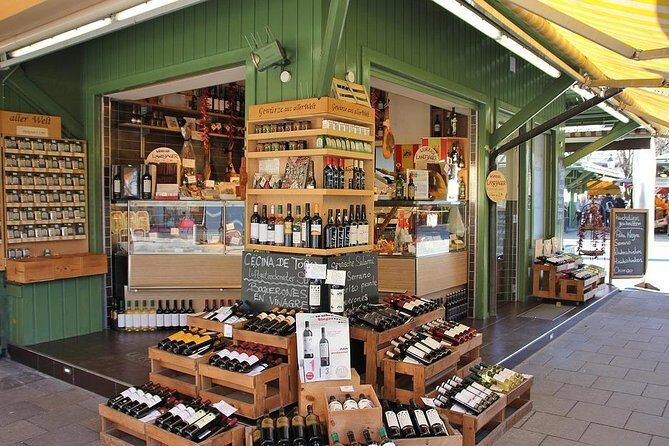
After the historic buildings, you get a practical, very Munich-style stop: Viktualienmarkt. This market break is built in for about 1 hour, and it’s not just window shopping. You’re set up to taste, smell, and enjoy local products and specialties.
The tour mentions getting a mix like soup, bread, coffee, and beer, plus plenty of nature-forward goods and local items. That’s useful because it turns the market into more than a photo stop. You learn what locals grab when they want something simple and real.
Also, it helps the group energy. Markets are naturally social, and they break up the church-and-castle rhythm. If your afternoon plans include dinner later, this is a great way to sample without overcommitting your appetite.
Other walking tours we've reviewed in Munich
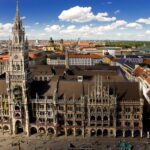
St. Peter’s Church: the layers of style and the tower view
Then comes St. Peter’s Church—a major shift in style and period. The tour frames it as the first church built in Munich, and it walks you through how it changed over time: starting in a Romanesque direction, moving into Gothic form, then later being baroquised with ceiling paintings and a high altar.
You’ll spend about 45 minutes here, and unlike many of the earlier stops, admission is included for this church. That included ticket is a real value win, because churches can add up fast when you’re trying to budget a sightseeing day.
One of the best reasons to allocate time here is the tower. The tour notes that from the tower you get a great view over the old city of Munich. Even if you don’t plan to linger on the view for long, it’s good to know there’s a payoff for the time you spend inside.
This stop is where the tour feels most complete. The city’s story isn’t frozen in one era—you see how Munich keeps reshaping its landmarks.
Ohel Jakob Synagogue: a Munich landmark with Jerusalem echoes

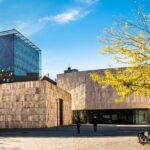
The final cultural highlight is Ohel Jakob Synagogue, built on Saint Jakobs Square. The tour points out that its design resembles the Temple in Jerusalem. That detail matters because it changes how you read the building. Instead of seeing it as an isolated landmark, you can think of it as part of a wider conversation about identity, faith, and architecture.
This stop is shorter—about 15 minutes—and admission is free. The aim here feels like finishing the loop with a different kind of Munich story, one that broadens the snapshot beyond the most obvious downtown icons.
Why the guide quality is the real selling point
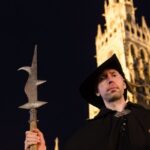
What makes this tour repeatedly rank so high is the way guides handle pacing and explanation. In the provided reviews, Michael (including Michael Schwennen in one note) is highlighted as friendly, engaging, and strongly historical, with answers that actually match your questions. You’ll also get supporting materials—at least one review mentions printed pages and historical pictures that make the storytelling easier to hold onto.
I like tours best when the guide isn’t just reciting dates. This one is set up to connect place to meaning: why the church matters, what the theater of the Glockenspiel is about, and what small traditions (like dance figures) say about how Munich remembers itself.
It also seems flexible in real-world moments. One review notes that the guide helped with hotel pickup and offered breakfast direction when shops were closed on New Year’s Day. That kind of practical, human support is exactly what turns a walking tour from sightseeing into a day you can manage.
And because it’s limited to your group, the guide can keep the rhythm without waiting for a huge crowd to catch up. You’ll spend more time at each stop and less time in that awkward space between attractions.
Price and value: $360.42 per group can be a steal or a splurge
The tour costs $360.42 per group, and the group size can be up to 10 people. That pricing is how private tours should be judged: value depends on how many of you split the cost.
- If you’re traveling as a small group or couple, it’s more of a splurge.
- If you’ve got a group of friends or family where you’ll approach the upper limit, it becomes far easier to justify.
Here’s why I think it can still feel fair even at smaller group sizes: many stops are free to enter, and St. Peter’s Church includes admission. So you aren’t paying separate ticket fees on top of the tour price for most of the key sights.
Plus, you get a guide for the full 2 to 3 hours, in English, with a tight cluster of centrally located landmarks. That’s not just a walking path—it’s time saved by having someone translate the city while you’re already there.
Practical pacing: how the 2–3 hours actually feel
This itinerary is built so you don’t feel like you’re sprinting from one icon to another. Each stop has a clear time window: around 45 minutes for big sites like Frauenkirche and St. Peter’s Church, around 30 minutes for the New Town Hall, and shorter bursts for Old Town Hall, Ohel Jakob, and the market.
Viktualienmarkt being an hour-long break helps you reset your legs and your attention. The churches and squares teach you the story; the market lets you experience Munich’s daily rhythm.
Also, because it’s private, you’re not stuck with strangers who move at a totally different pace. Your guide can slow down when you want more detail, or keep it brisk if you’re the type who wants photos and highlights.
Weather and comfort: the one thing you should plan around
This experience requires good weather. That matters for a walking tour where you’re stopping in open-air squares and spending time around market areas.
It also calls for moderate physical fitness. That usually means you should feel comfortable walking for a couple hours with some stops. If you’re using mobility aids, you’ll want to consider how the route and time outdoors might affect you, but the tour does state it’s near public transportation and allows service animals.
If the weather looks iffy, keep a flexible mindset. This tour’s structure works best when you can enjoy the outdoor parts without rushing.
Who should book this tour
I’d point you here if you want:
- A private, guide-led Munich orientation instead of wandering with an audio app
- Strong storytelling tied to famous sights, not just a checklist of stops
- A day that blends iconic downtown landmarks with a real taste of local life at Viktualienmarkt
- An English-speaking guide and a schedule that keeps moving at a reasonable pace
Should you book this private Munich essentials walk?
If you’re the kind of traveler who likes to understand what you’re looking at, this tour is a strong choice. The mix of major squares, churches, the Glockenspiel and Scheffler dance, a market lunch-style stop, and the cultural detour to Ohel Jakob Synagogue makes the experience feel complete in just 2 to 3 hours.
Book it if your group values a guide and you’re okay paying a single group rate. I’d skip it only if you hate walking in the outdoors or if the weather can’t be trusted—this one is designed to work best when you can enjoy Munich without constant rain-and-reroute energy.
FAQ
Is this tour private?
Yes. It’s a private tour/activity, and only your group will participate (up to 10).
How long does the Munich walking tour take?
It runs about 2 to 3 hours.
Where do we meet for the tour?
The start is at Marienplatz, 80331 München, Germany, and the tour ends back at the meeting point.
What language is the tour offered in?
The tour is offered in English.
Are tickets included for the sights?
A mobile ticket is provided. Admission is included for St. Peter’s Church, while other stops on the route are listed as free.
Is this tour physically demanding?
It’s listed as requiring moderate physical fitness, so you should be comfortable with a couple hours of walking.