REVIEW · MUNICH
National Socialism WWII with licensed guide – private tour
Book on GetYourGuide →Operated by schwarzgold.info - Wolfgang Brehm · Bookable on GetYourGuide
Munich never forgets, and neither does this walk. This private tour strings together the key physical places tied to National Socialism in Munich, from the early days around Odeonsplatz to the Nazi power center at Königsplatz. You get a guided route designed to help you connect names, dates, and propaganda with real buildings you can point at.
I love the structure and pacing: short stops, clear explanations, and lots of attention to what you’re actually seeing on the street, not just facts flying past. I also love that the tour treats art and resistance as part of the same story, including the White Rose and the Nazi influence on art (including the Degenerate Art exhibition location). One thing to consider: this is serious WWII-era material, so it’s not a casual stroll, and it asks you to stay respectful and focused.
In This Review
- Key highlights worth your attention
- Why Munich is the right place for this story
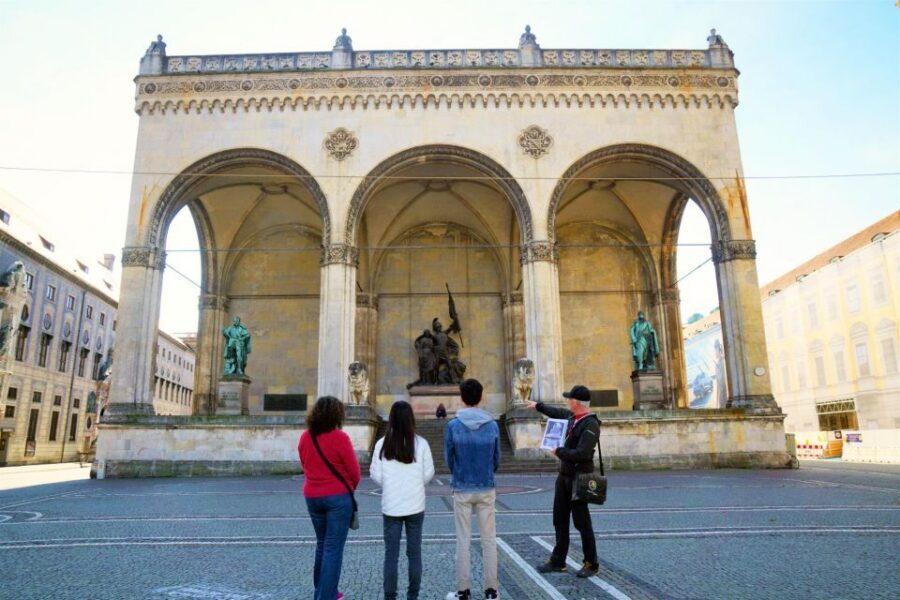
- Meeting by Feldherrnhalle: getting your bearings the fast way
- Feldherrnhalle and the putsch story: memorials with a purpose
- House of German Art and the Nazi control of culture
- Munich Residenz court garden: a monument to resistance
- White Rose at LMU: resistance as evidence, not just a label
- Square of the Victims of National Socialism: naming the victims
- Karolinenplatz and the sponsors: the people behind the machinery
- Königsplatz and the Brown House: where the Nazi system showed itself
- NS Documentation Centre after the walk: optional but worth it
- How the guide makes it work: photos, sites, and clear links
- Price and value for a private group up to 30
- Should you book this Nazi history walk in Munich?
- FAQ
- How long is the private tour?
- Where does the tour start and where does it end?
- How much does the tour cost?
- Is the tour private?
- What languages are offered?
- Is admission to the NS Documentation Centre included?
- What stops does the tour include?
- Is the tour wheelchair accessible?
- Is this tour for Nazi fans?
- Can I get a full refund if plans change?
Key highlights worth your attention
- A tight 2-hour route through major Nazi sites around Odeonsplatz and Königsplatz
- Feldherrnhalle details tied to the putsch story and the memorials connected to it
- Resistance in Munich, including the White Rose at the LMU area
- Art used as a weapon, with the House of German Art and the Degenerate Art exhibition spot
- Photo material on the tour, helping you connect historic documents to locations
- Optional NS Documentation Centre visit after the walking portion ends
Why Munich is the right place for this story
Munich is where National Socialism started becoming a real movement, not just an idea scribbled on paper. That’s why this tour focuses on places you can still stand in today, rather than staying at the level of distant textbook summaries. You’ll hear how the movement formed, how it gained traction, and how it turned society into an instrument of control.
The tour is also practical in a very important way: it helps you build a mental map fast. If Munich feels confusing or too big to process, this route gives you a handful of anchor points, so the rest of your day makes more sense. And you’ll spend your time in a sequence that mirrors the rise of the Nazi system in the city.
Other Third Reich & WWII tours we've reviewed in Munich


Meeting by Feldherrnhalle: getting your bearings the fast way
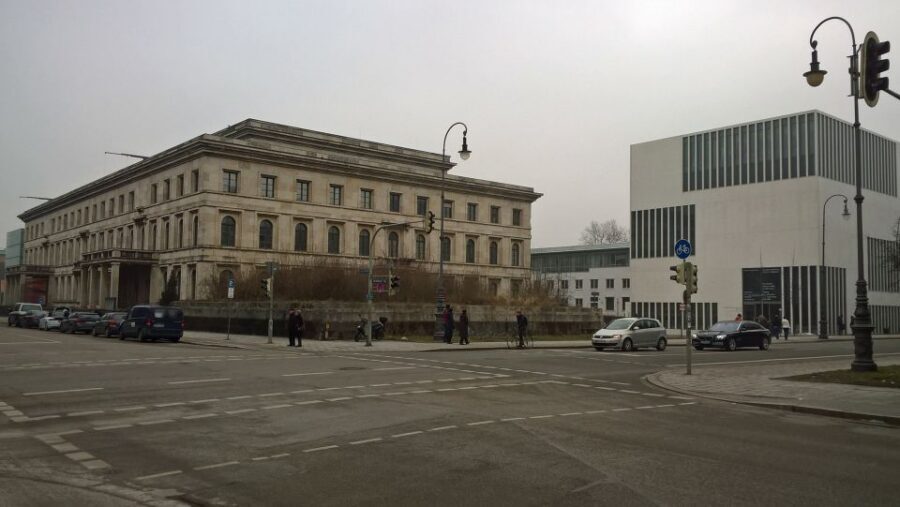
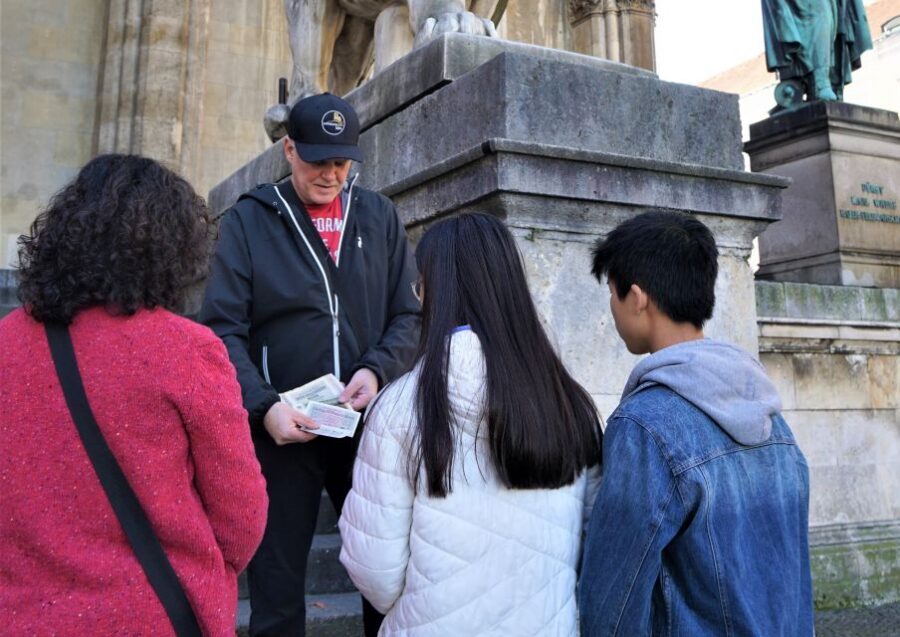
You start at the steps at the Feldherrnhalle on Odeonsplatz, with the broader starting point listed at Residenzstraße 1. From there, the guide frames why Adolf Hitler came to Munich, where he lived, and how he made a living before the world knew his name. It’s a “how did this begin?” setup, which matters because the later sites hit harder when you understand the early conditions.
This first stretch is where you learn to connect the public symbols to the people behind them. You’re not just looking at a monument and moving on; you’re being taught how the Nazi message was staged in real space. Bring comfortable shoes, and don’t plan to do much else right afterward unless you want to think about what you just walked past.
Feldherrnhalle and the putsch story: memorials with a purpose
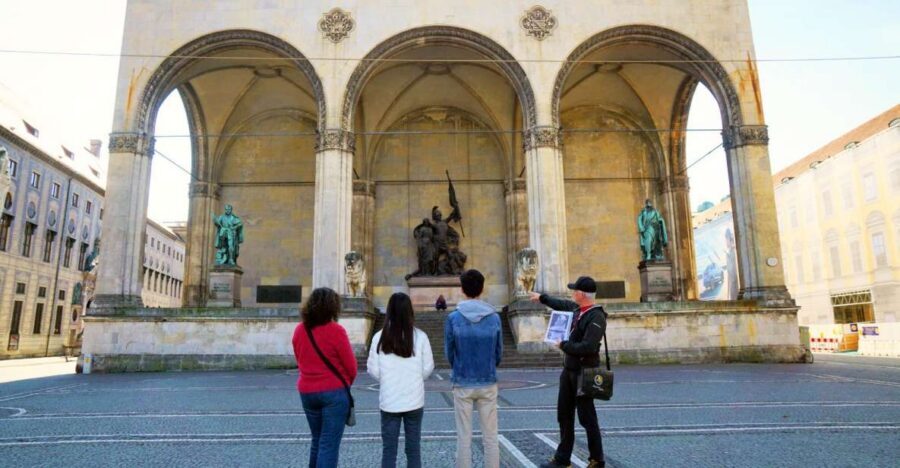
You spend time around Feldherrnhalle itself, with guided segments that focus on the “Hitler coup” and its aftermath. The most useful part here is how the guide points out what was erected afterward for the deceased putschists. Those details matter because they show how the Nazis worked to turn violence into a narrative of sacrifice.
Even if you already know the basic outline of the coup attempt, the on-site view helps you understand why these places later became rally points for ideology. It’s the difference between hearing a date and seeing what built that date into public memory. Expect a guided explanation that links location, timing, and symbolism.
House of German Art and the Nazi control of culture
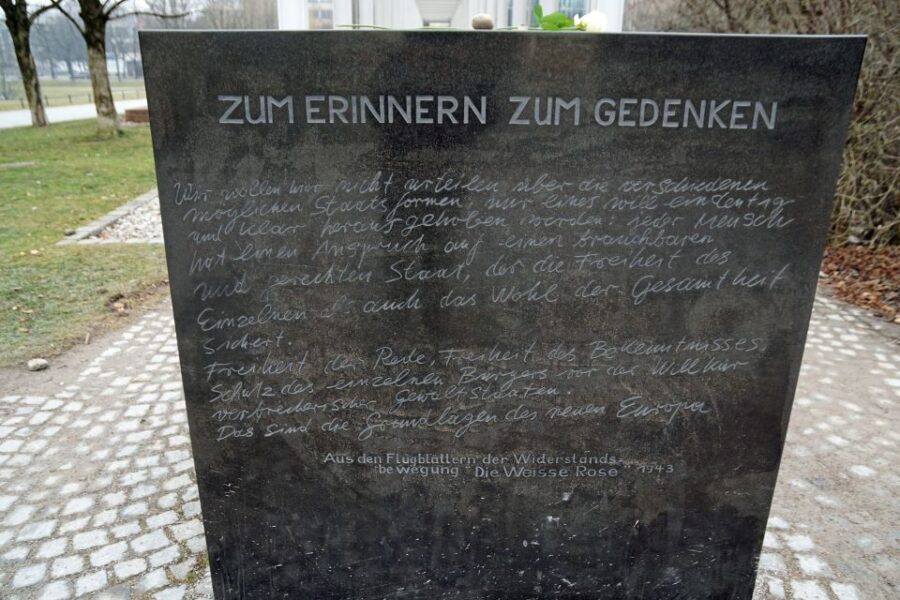
Next you move toward the art and exhibition side of the Nazi project, including the Haus der Kunst. The tour connects Nazi power to culture, not just politics—because controlling what people see is a form of control over what people think is acceptable. You’ll learn how the Nazis influenced art and why certain styles and artists were targeted.
Then you walk past the area of Galeriestraße, where you can still see where the exhibition Degenerate Art took place. That’s one of those “wait, this is real?” moments: the history isn’t sealed behind museum walls only. You’re standing in Munich, and you’re seeing the physical geography of propaganda.
A small drawback: if you’re the type who wants every stop to be one specific building, you may feel like this portion spreads across streets and locations. But if you’re open to the idea that propaganda lives in venues and neighborhoods too, this segment lands well.
Munich Residenz court garden: a monument to resistance
The tour doesn’t only follow Nazi expansion. You also move through the court garden and find a monument erected for resistance fighters. That’s important because it prevents the story from becoming purely linear—villains win, then history ends.
From there, the guide keeps turning the page toward how resistance formed in Munich, including the idea that people tried to fight back using what they had. It’s a useful counterweight to the heavy symbolism of the earlier stops. And it helps you understand that “resistance” wasn’t only one famous person or one dramatic moment.
Other guided tours in Munich


White Rose at LMU: resistance as evidence, not just a label
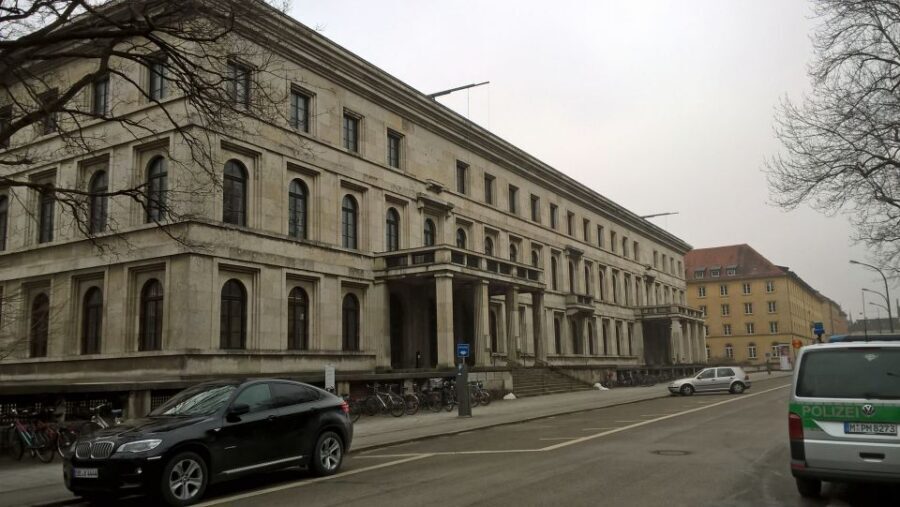
At the largest university in Germany (LMU), you focus on the well-known resistance group called the White Rose. You’ll hear how they created flyers and how the end of their story played out. The brutal clarity of what happened next is exactly why this part of the tour matters: it connects a name you might have seen in school to Munich’s real-world setting.
This is also where the tour’s photo approach earns its keep. Seeing historic materials referenced while standing near relevant places helps you stop treating resistance as an abstract chapter. It becomes something rooted in a city and in choices made by ordinary people under terrifying conditions.
If you’re bringing a student—or yourself—you’ll likely appreciate how the guide ties the story together in a way that supports school-level history questions. One person even highlighted that their son found it useful for GCSE history, which makes sense: the tour gives you structure for studying.
Square of the Victims of National Socialism: naming the victims
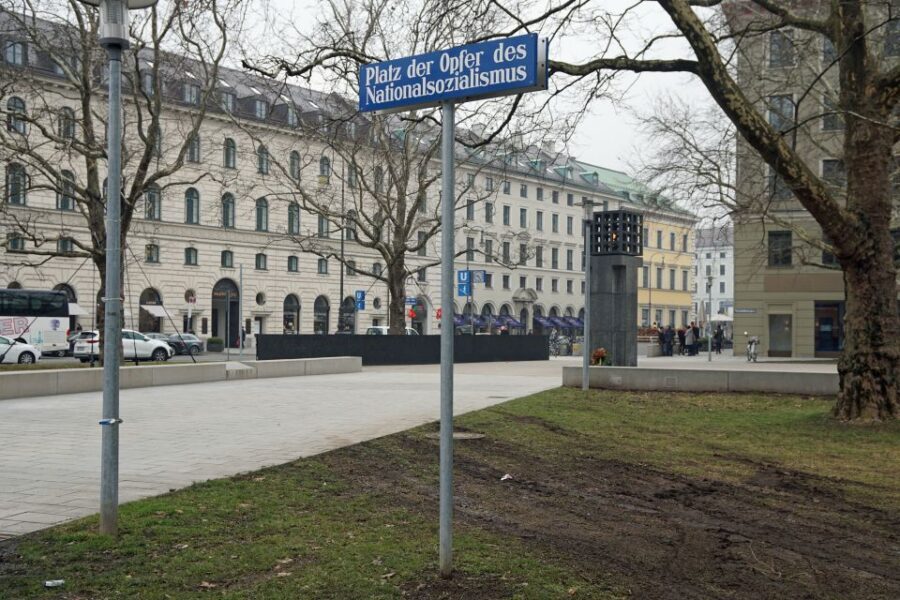
After the White Rose segment, you reach the Square for the Victims of National Socialism, where you learn exactly who the victims were. This stop can feel different from the rest, because it shifts emphasis away from perpetrators and symbolism toward people harmed by the regime.
Practically, this is a “slow down” point. It’s not the time to rush for photos or treat the location like a quick sightseeing checkmark. The value here is that the guide pushes you to understand categories of victims and what the regime did to them, not just that something terrible happened.
Karolinenplatz and the sponsors: the people behind the machinery
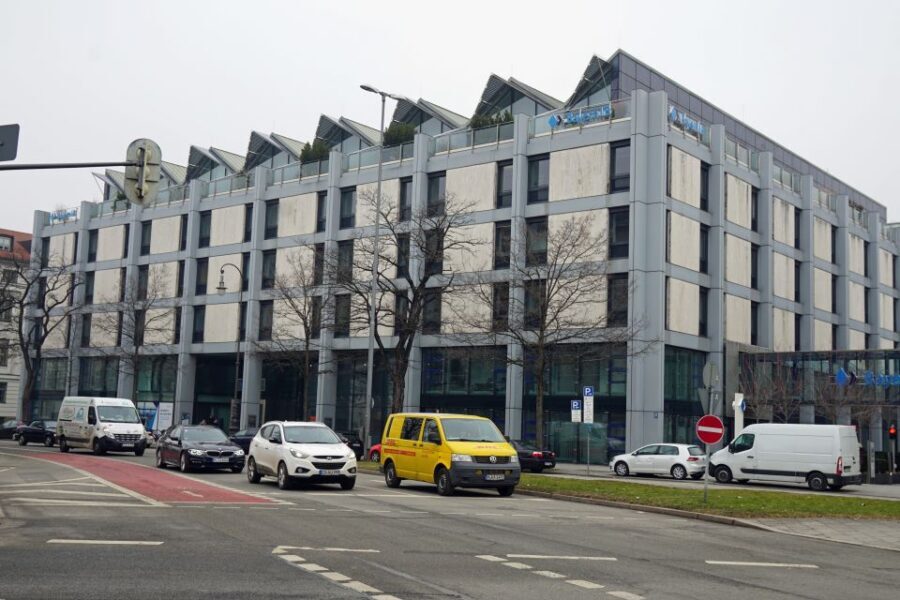
At Karolinenplatz, you get to know the main sponsors of the Nazis. This is a helpful part of the tour because it nudges you away from the idea that history is only made by a single dictator and a handful of soldiers. You’re shown that political movements need funding, influence, and backers to scale up.
If you care about how extreme ideologies take hold, this stop is one of the most clarifying. It explains that the Nazi project wasn’t powered only by ideology; it also relied on support systems that helped it become normal. That’s a lot to process, but it’s also where the tour becomes more than “old buildings.” It becomes a warning about how power gets built.
Königsplatz and the Brown House: where the Nazi system showed itself
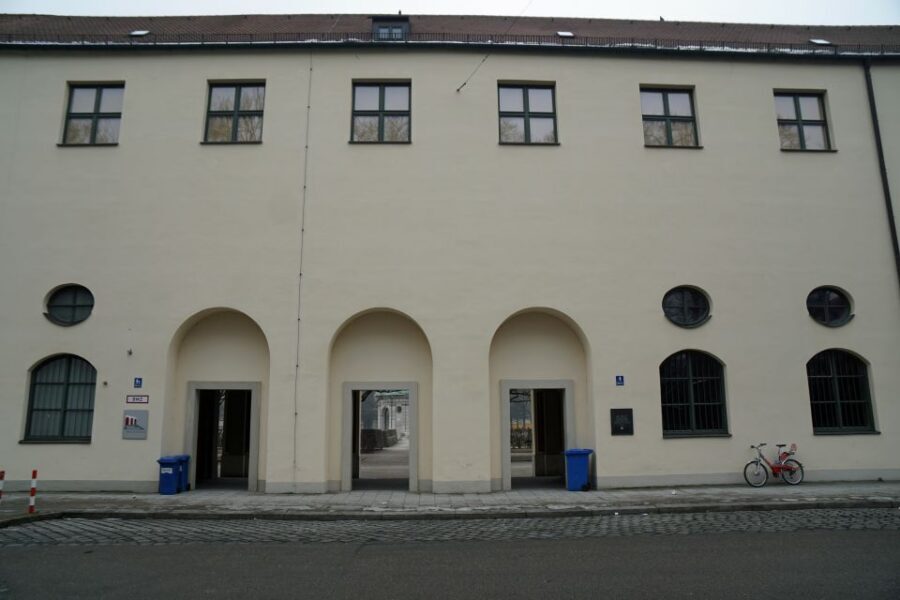
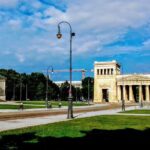
The final stop is the party center at Königsplatz, and this is the segment that ties everything together. You discover the Nazi headquarters in Munich, including the Brown House, the Führer building (Hitler’s office), and the NSDAP administration. Standing here after the earlier context makes the location feel less like a random architectural stop and more like the physical heart of the regime.
At this point, the guide has set you up to read the buildings like documents. You’ll understand how the Nazis used headquarters and office space to project authority, and how the public face of politics connected to internal control.
NS Documentation Centre after the walk: optional but worth it
The tour ends with the NS Documentation Centre opened in 2015, and you have the opportunity to visit after the walking portion. Admission is not included, so you’ll need to plan that add-on separately.
This is where the guide’s work pays off if you like context. The walking tour gives you the “where,” and the documentation center can help you extend the “what happened and why it mattered” with deeper material. If you’re sensitive to heavy content, you can also pace your visit inside the center and choose which areas you want to spend time in.
How the guide makes it work: photos, sites, and clear links
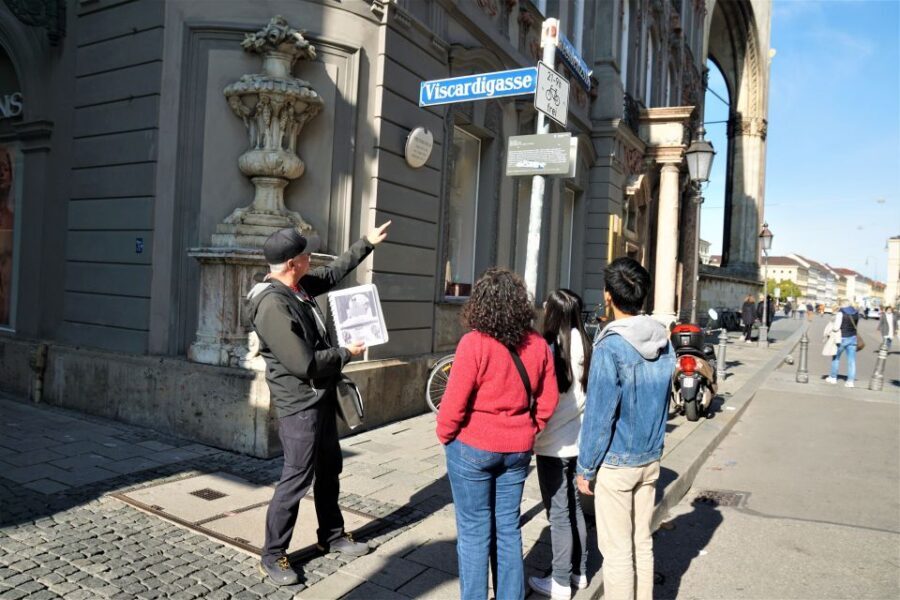
A big praised strength of this experience is how it stays clear and not boring while handling heavy topics. The tour uses extensive photo material during the walk, which helps you move beyond talking points. You’re not just being told what happened—you’re seeing evidence referenced in a way that helps your brain connect the historic narrative to the places outside.
Licensed guiding also matters here because you want accuracy and tone. This isn’t presented as a hangout for fans. The tour is specifically framed as not for right-wing radical or Nazi fans, which tells you it’s built for education and respect, not spectacle.
Price and value for a private group up to 30
At $259 per group (up to 30 people) for a 2-hour private tour, the value depends on how you book with your group. If you’re traveling with family, a small club, a class, or even a couple of friends, you can spread the cost in a way that feels much more reasonable than per-person tour pricing.
You’re also buying focus. In two hours, you get a curated set of anchor sites that cover origins, art propaganda, resistance, and the power center—plus the optional documentation center follow-up. If you try to do this alone, you’ll spend extra time researching and still risk missing connections the guide hands you on a clean timeline.
One practical note: because it’s private, the experience is more flexible than a mass-group tour. Still, it’s a walking-focused route, so wear shoes you trust for city sidewalks.
Should you book this Nazi history walk in Munich?
Book it if you want a focused, guided route through the most important Nazi-related locations in Munich, with clear context on origins, culture, resistance, and victims. It’s a strong fit for students, history-minded travelers, and anyone who wants more than a brochure overview.
Skip it if you’re looking for a light, entertainment-first sightseeing tour. This is structured around grim content, and it expects respect. Also remember the NS Documentation Centre admission isn’t included, so if that part matters to you, plan for it in your schedule.
If you take this seriously and come ready to think, you’ll leave with a much sharper map of how Munich’s streets relate to a dark chapter of modern history.
FAQ
How long is the private tour?
The tour lasts 2 hours.
Where does the tour start and where does it end?
You meet at the steps at Feldherrnhalle at Odeonsplatz, and the tour finishes at Königsplatz 1, 80333 München, Germany.
How much does the tour cost?
It costs $259 per group, up to 30 people.
Is the tour private?
Yes. It’s a private group tour.
What languages are offered?
The live tour guide is available in English and German.
Is admission to the NS Documentation Centre included?
No. Admission is not included, and you can visit after the tour.
What stops does the tour include?
You’ll visit major sites such as Feldherrnhalle, Haus der Kunst, the Square for the Victims of National Socialism, NS Documentation Centre, and areas around Königsplatz, including the Brown House and Führer building.
Is the tour wheelchair accessible?
Yes, it is listed as wheelchair accessible.
Is this tour for Nazi fans?
No. It notes that the tour is not for right-wing radical or Nazi fans.
Can I get a full refund if plans change?
Yes. Free cancellation is offered up to 24 hours in advance for a full refund.