REVIEW · NUREMBERG
“Rotes Bier” and “Blaue Zipfel”. A historical-culinary walk
Book on GetYourGuide →Operated by Geschichte Für Alle e.V. · Bookable on GetYourGuide
Eat Nuremberg’s food history, bite by bite. This historical-culinary walk links street corners in the old town to questions you’ll actually care about, from why bratwurst got its name to how local cooks shaped sweets and savory dishes. The big theme is Rotes Bier and the playful culinary pairing hinted by Blaue Zipfel, and you’ll meet the stories with real samples between stops.
I like that it’s not a lecture. It moves on foot through landmarks you can point at later, with a guide who keeps explanations clear and makes room for questions (a guide named Sonja stood out for that knack). One thing to consider: the overall snack portion is good, but one recent note I’d take seriously is that the snacks could feel a touch more “premium” for some tastes.
In This Review
- Key highlights worth showing up for
- How Rotes Bier and Blaue Zipfel Turns Nuremberg into a Food Story
- Meeting at Altes Rathaus: The 2-Hour Rhythm You Can Handle
- Bratwurst Röslein Stop: Why Nuremberg Bratwurst Is So Small
- Hauptmarkt Nürnberg and the Market Squares: Where Gingerbread Becomes a Point of Pride
- Trödelmarkt 13 and Unschlitthaus: Old Streets, Practical Food Clues
- St. Sebaldus Church: When a Landmark Explains a City’s Eating World
- Finishing at Altstadthof: Red Beer in a Real Brewery Setting
- Price and Value: What $29 Gets You in Nuremberg
- Who Should Book This Tour (and Who Might Skip It)
- Should You Book Rotes Bier and Blaue Zipfel?
- FAQ
- FAQ
- How long is the tour?
- Where do I meet the guide?
- What language is the tour in?
- What’s included in the price?
- Is transportation to and from the meeting point included?
- Will the tour run in bad weather?
- Is the tour wheelchair accessible?
- What should I bring?
- Can I get an invoice if I book through GetYourGuide?
Key highlights worth showing up for
- Old-town storytelling that answers food questions as you walk, not after you’ve eaten
- Real Nuremberg tastings that show you what people meant when they talked about bread, beer, and sausage
- A guided loop through iconic spots like the Hauptmarkt area and St. Sebaldus Church
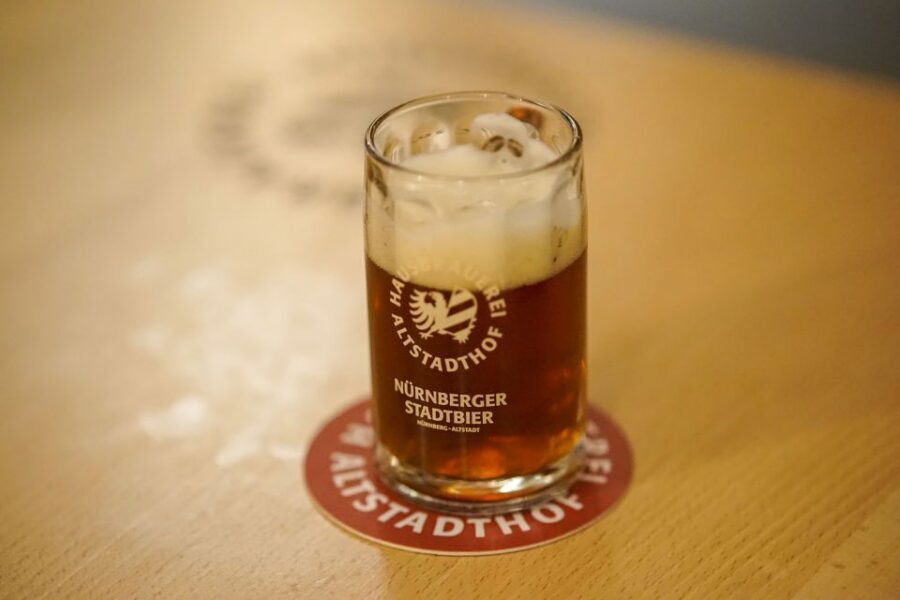
- Red beer at the finish in a brewery setting, so you end with the theme, not at it
- German-language guiding that stays practical and question-friendly
How Rotes Bier and Blaue Zipfel Turns Nuremberg into a Food Story
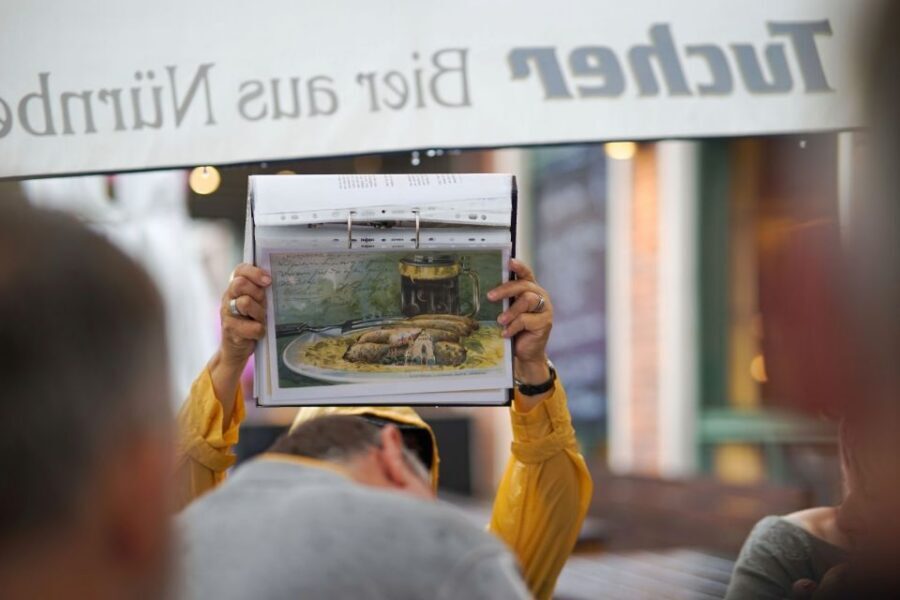
This tour is built around a simple idea: food names and recipes only make sense when you learn the place behind them. You’ll hear answers to questions like why Devil’s Kitchen is connected to the local cooking world, why the English Garden planner shows up in Nuremberg food talk, and how far back Nuremberg cooks knew about ravioli. Instead of treating history as distant text, the guide ties it to smells, bites, and the rhythm of market life.
I also like the tone. The walking pace is steady, and the tour stays hands-on through tastings between the stops. That matters because Nuremberg’s food culture doesn’t live in one museum. It’s all over the old town: in market squares, old streets, churches, and breweries that still make the drinks people associate with the city.
You’ll start to understand why a place can claim something so specific and local, like how Nuremberg gingerbread became a point of pride, or why a Nuremberg Bratwurst is famously small. You’ll leave with more than flavor. You’ll have context you can use when you see the words again on a menu or package.
Other walking tours we've reviewed in Nuremberg


Meeting at Altes Rathaus: The 2-Hour Rhythm You Can Handle
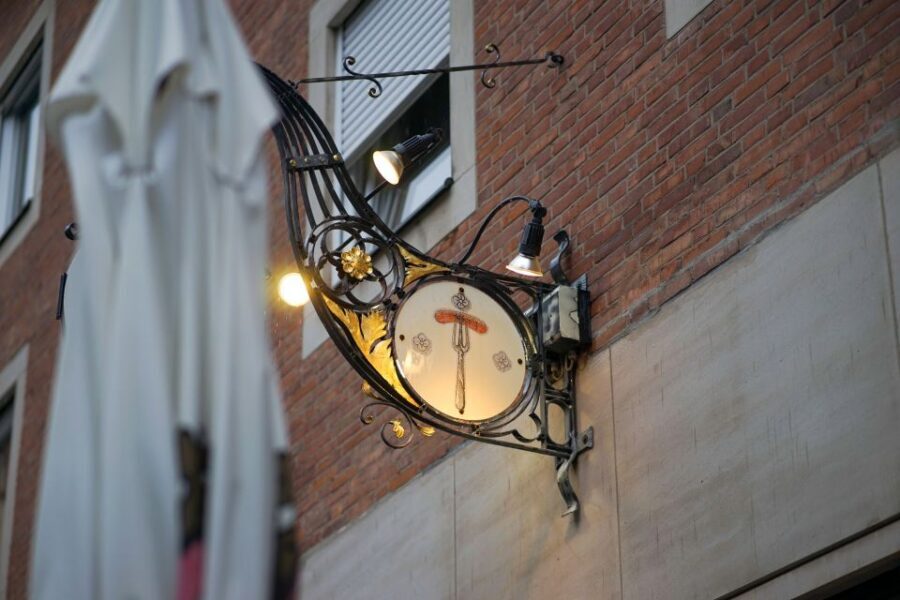
You meet at the Altes Rathaus. Look for the picture folder and the green logo for Geschichte Für Alle e.V. right in front of the main entrance. It’s an easy setup: you’re not hunting for a “mystery” meeting spot, and the starting landmark is central.
The tour is 2 hours long and runs rain or shine. That means you should dress for weather and keep your shoes comfortable. You’ll be walking short distances between stops (think a few minutes at a time), and the itinerary is designed for moving through the historic core without turning it into a long hike.
One more practical point: the tour is held in German. If your German is basic, don’t panic. A good guide can still make the experience work through pacing, repetition, and focus on the food itself. Still, if you want maximum understanding of the story pieces, it helps to be comfortable following conversations in German.
Bratwurst Röslein Stop: Why Nuremberg Bratwurst Is So Small

The first real food stop is Bratwurst Röslein. This is where the tour’s sausage question gets answered in a very direct way: you try the sausage and you learn why Nuremberg Bratwurst is so small.
That’s a clever way to teach the topic. You don’t just hear a trivia fact. You taste the bratwurst, see the portion size, and then get the explanation behind that tradition. Portion size sounds trivial until you learn how it fit everyday routines—market snacking, quick service, and the kind of eating habits that developed around busy squares.
If you’ve only ever had bratwurst in a “big-grill” version, this is the moment you recalibrate. You’ll also notice how food names can get confusing. The tour frames bratwurst as more than a word; it becomes a clue to local ways of cooking and selling, and to how the city’s identity formed around simple, dependable food.
What to pay attention to here: flavor balance and seasoning, plus how the small format changes how you eat it. It’s a different experience than one big sausage meal.
Hauptmarkt Nürnberg and the Market Squares: Where Gingerbread Becomes a Point of Pride
From Bratwurst Röslein, the route brings you into the Hauptmarkt Nürnberg area. This is the kind of place where the city’s everyday life used to be loud and visible. Here, the tour doesn’t just walk past the market; it uses the square as the stage for food meaning.
One of the standout treats is the gingerbread. The tour presents it as something Nuremberg cooks are serious about, and you’ll get the chance to taste it while the guide explains what makes it special. The fun part is how the story connects to the city’s reputation rather than staying stuck in one recipe detail.
You’ll also hear more of the historical-culinary thread: how names and cooking traditions traveled, and how the city’s cooking identity became recognizable. Since the tour is built around questions, you’re not left wondering what you’re looking at. The market setting becomes part of the explanation for why food becomes a marker of place.
There are multiple stops around the Hauptmarkt area (including another stop at Hauptmarkt 2), and the value is in comparing how the story shifts with each location. You get the same central idea—Nuremberg food as city identity—but you see it through different corners of the old town.
What to watch for: take a moment to orient yourself in the square. The tour moves fast enough that you’ll want to remember where you are when you step back out on your own.
Trödelmarkt 13 and Unschlitthaus: Old Streets, Practical Food Clues
Next come the smaller streets and older corners—Trödelmarkt 13 and the Unschlitthaus area. This is where the tour’s “why this matters” approach really shows. Market squares get the attention, but old side streets often explain the messy, real side of food history: trades, storage, cooking practices, and how everyday citizens related to what they ate.
Trödelmarkt has the feel of a place where second lives and old goods mattered. On a culinary tour, that becomes a metaphor for how traditions persist. Unschlitthaus is another stop that helps you understand cooking as a city system, not just as a chef’s craft. You’ll hear the kind of connections that don’t show up in simple food guides: how certain terms and kitchen references connect to city planning and daily life.
This portion is especially good if you like when a tour makes you feel smarter about the city beyond the food itself. You’ll start to see why something as small as a name on a menu can carry a story—sometimes a funny one, sometimes surprisingly technical.
Possible drawback to keep in mind: if you prefer only “food-forward” stops with minimal explanation, you might find you spend a little longer listening here than you expect. The trade-off is you’ll understand more of the city’s logic.
Other historical tours in Nuremberg
St. Sebaldus Church: When a Landmark Explains a City’s Eating World
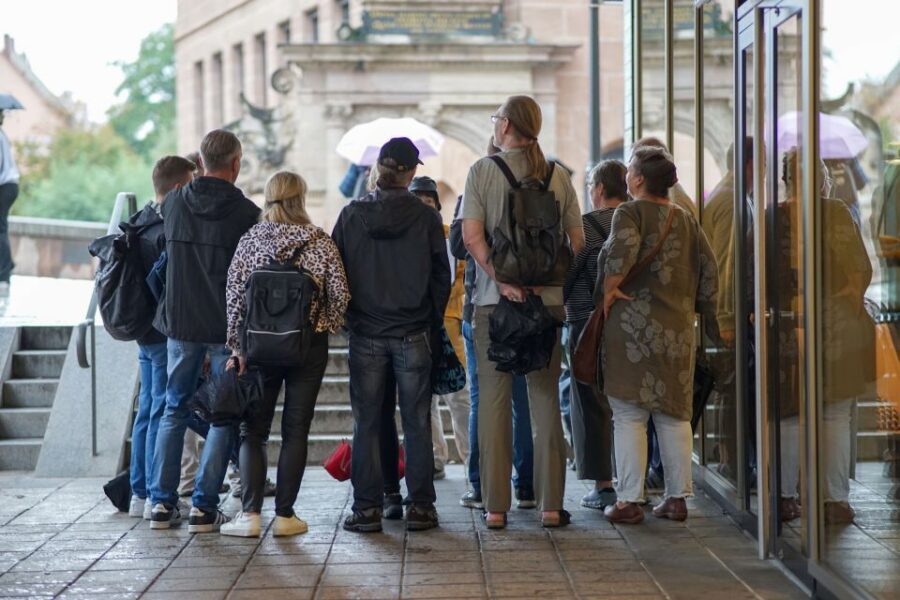
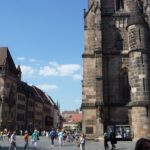
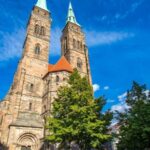
After the street stops, the tour reaches St. Sebaldus Church. Churches can seem like a detour on a food tour, but here they’re part of the same theme: food history lives inside the life of the city.
In practice, the church stop helps shift the scale. You stop looking only at market surfaces and start thinking about the long arc—how places of community and identity shaped everyday habits. The guide’s explanations tie into that, keeping the cooking pot questions in motion even when you’re standing near an iconic building.
This is also a good moment for photos and for slowing down. You’ll get a clearer view of the area and more time to take in how the old town fits together. That matters because Nuremberg can feel compact. A church like this helps you mentally map the city for later.
Finishing at Altstadthof: Red Beer in a Real Brewery Setting
The tour ends at Hausbrauerei Altstadthof, at Rotbierstüberl, the brewery and whisky distillery area. This is the finish you want on a beer-focused walk: the tasting theme comes full circle right where the city’s brewing identity lives.
Altstadthof is a fitting capstone because you’re not just learning about beer. You’re tasting the local red beer experience that the tour centers on, the Rotes Bier angle that’s the name of the whole adventure. Finishing at a brewery setting makes it easier to connect the story you heard earlier to what’s sitting in your glass.
If you’ve had beer that’s all about bitterness or heavy malts elsewhere, expect something more tied to local style and tradition here. The guide’s storytelling probably won’t be about beer chemistry. It’ll be about how local drink habits formed and why beer became part of daily identity in Nuremberg—again, through city places, not abstract facts.
What to plan for: after the final tastings, you’ll likely feel done walking. So it helps to have your next plan nearby. The old town around the finish is great for continuing at your own pace, but don’t schedule something too far off immediately.
Price and Value: What $29 Gets You in Nuremberg
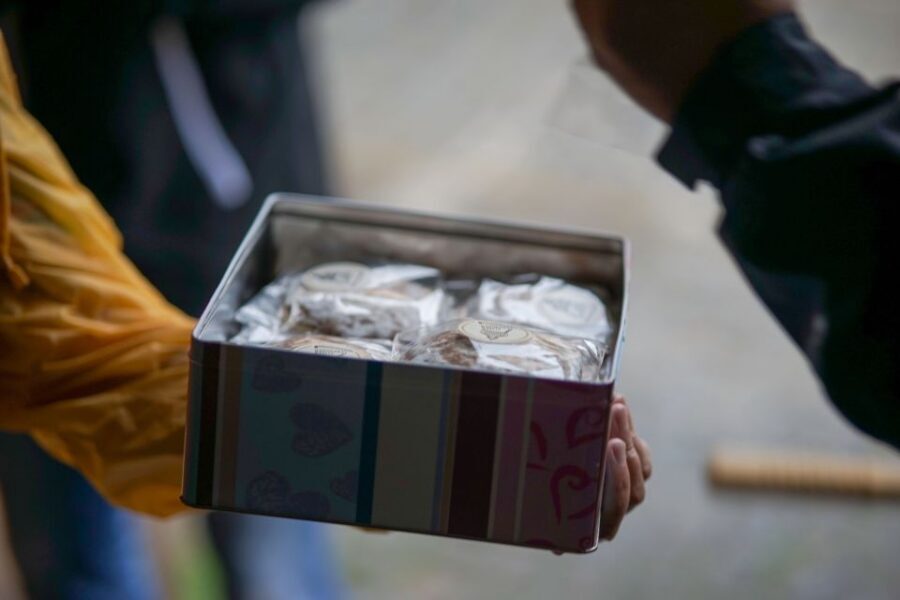
At about $29 per person for a 2-hour walking tour, the value comes from what’s included, not from what’s said on paper. You get:
- a guided walking tour
- snacks and beer
- the guide
Transportation isn’t included, so factor that into your day.
For readers comparing costs, the key question is: are you buying a guide and tastings, or just paying to walk around? Here, you’re paying for structured stops, story context, and multiple chances to taste the local highlights. That’s why the tour often works well for food travelers who don’t want to spend their time planning multiple separate tastings on their own.
One note to weigh: the criticism about snacks being a bit less valuable than expected may matter to you if you’re used to tours where the food portion feels more substantial. If you’re the type who cares more about stories and a few meaningful tastings, this should still feel like solid value.
Who Should Book This Tour (and Who Might Skip It)
Book this if:
- you want a short, 2-hour plan that teaches you the food logic behind Nuremberg
- you care about local flavor basics like bratwurst, gingerbread, and red beer
- you enjoy getting answers to name origins and cooking references rather than just tasting
Consider skipping (or pairing it with something else) if:
- you want a longer, heavier food feast with bigger portions
- you only want minimal explanation and would rather self-tour with a checklist
- you don’t enjoy German-language guiding and your comfort with German is limited
This is also a good choice if you like guided structure. Nuremberg’s old town is walkable, but you can wander past the most interesting connections if you don’t know what you’re looking for. This tour gives you that map, one question at a time.
Should You Book Rotes Bier and Blaue Zipfel?
If you’re excited by the idea of learning why Nuremberg food is so specific—why a bratwurst is small, why gingerbread carries reputation, and how beer fits into the city’s identity—yes, I think you should book it. It’s built for people who want authentic old-town atmosphere plus real samples, delivered in a compact timeline.
If you’re picky about snacks being especially generous or “premium,” treat that as your only flag. Everything else is aimed at good guidance, clear explanations, and finishing with the beer theme where it belongs.
FAQ
FAQ
How long is the tour?
The tour lasts 2 hours.
Where do I meet the guide?
Meet your guide in front of the main entrance of the Altes Rathaus, with the picture folder and the green logo Geschichte Für Alle e.V.
What language is the tour in?
The tour is held in German.
What’s included in the price?
It includes a walking tour, the guide, snacks, and beer.
Is transportation to and from the meeting point included?
No, transportation is not included.
Will the tour run in bad weather?
Yes. The tour takes place rain or shine.
Is the tour wheelchair accessible?
Yes, it is listed as wheelchair accessible.
What should I bring?
Bring weather-appropriate clothing and comfortable shoes.
Can I get an invoice if I book through GetYourGuide?
No invoices can be issued for bookings made via GetYourGuide. The booking confirmation serves as proof of payment.