REVIEW · MUNICH
Private Munich Old Town and Third Reich Walking Tour
Book on Viator →Operated by Radius Tours GmbH · Bookable on Viator
Munich has two faces, old and dark. This 2-hour private walk threads the city’s famous center with real places tied to Hitler and the Nazi era, all led by a guide who can steer the pace and focus.
I especially like how you get classic “first day in Munich” landmarks fast—Marienplatz, Frauenkirche, St. Peter’s, and the Rathaus-Glockenspiel—without feeling like you’re stuck in a long bus tour. The second thing I like is the way the guide connects street corners to what happened there, including the Beer Hall Putsch in 1923 and stops linked to the early Nazi movement.
One possible drawback: this tour is short, and if your start time slips (or it’s very hot), you may not have as much time for each stop as you hoped.
In This Review
- Key highlights worth your attention
- Why Munich Old Town and Third Reich sites belong on the same walk
- Price and what you’re really paying for
- How the walk starts in central Munich
- Marienplatz and the Old Town Hall area: your Munich orientation in minutes
- Frauenkirche and St. Peter’s: church stops that shape the skyline
- Rathaus-Glockenspiel and Hofbräuhaus: why beer-hall culture matters
- Neus Rathaus and the Third Reich story on foot
- Private guiding that can actually change your experience
- What can go wrong: heat, timing, and uneven emphasis
- Who this tour suits best
- Should you book this private Munich Old Town and Third Reich tour?
- FAQ
- How long is the private Munich Old Town and Third Reich walking tour?
- What’s the price per person?
- Is hotel pickup included, and where do I meet?
- How many people are on this private tour?
- What’s included and what’s not included?
- What language is the tour offered in?
Key highlights worth your attention
- Private guiding (max 9–10 people) means you can ask questions and set your pace
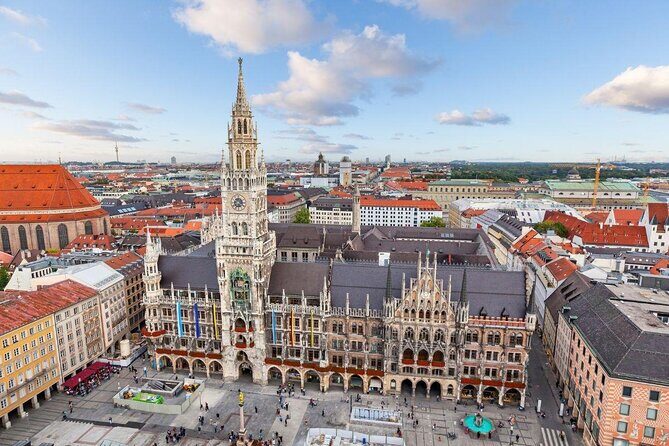
- Old Town landmarks in one loop: Marienplatz, Frauenkirche, St. Peter’s, Rathaus-Glockenspiel
- Third Reich stops on foot: including the Beer Hall Putsch site and places tied to Hitler’s rise
- Hotel pickup and drop-off for a low-stress start in central Munich
- Flexible start time and customization so you can spend more or less time on churches or key historical points
- Real local tips from guides, including practical guidance on what to notice around Munich
Why Munich Old Town and Third Reich sites belong on the same walk
Munich’s old center is gorgeous. That’s the tricky part. The same streets that show off medieval and baroque civic pride also sit close to chapters of modern history that you shouldn’t skip.
That’s why this format works: you’re not just touring buildings. You’re learning how power, propaganda, and public life used the city’s most visible spaces. The walk mixes big-photo stops (like Marienplatz and the church landmarks) with specific Nazi-era locations, including places associated with Adolf Hitler’s rise, the former Gestapo headquarters, and the Beer Hall Putsch in 1923.
If you care about context—how history shows up in daily city life—you’ll appreciate the guide’s job here. They’re not treating the Nazi period as a separate museum trip. They’re explaining it like it happened in a real city, with real streets and institutions.
Other Third Reich & WWII tours we've reviewed in Munich


Price and what you’re really paying for
At $239.65 per person for about 2 hours, this is not a budget afternoon. But it’s also not a “just walk around with someone” deal.
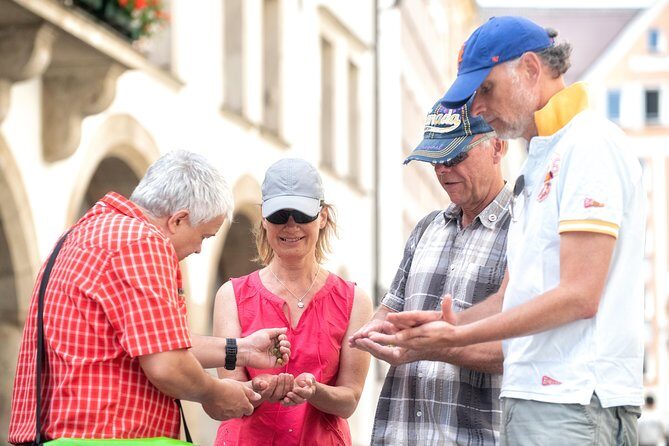
You’re paying for a private guide who can do two things at once:
- keep the route efficient through central Munich, and
- answer your questions while tailoring the time between churches, civic buildings, and the Third Reich components.
You’re also paying for convenience. With hotel pickup and drop-off from central locations (or a meeting point at München Hauptbahnhof if you prefer), the tour starts with less friction. For a short tour, that matters. You don’t want your limited sightseeing time chewed up by transit confusion.
Is it “worth it” depends on your style. If you enjoy walking with a focused guide and you want more than surface explanations, you’ll probably feel it was money well spent. If you mostly want photos and a general orientation, you might question the price.
How the walk starts in central Munich
You can begin at a central hotel pickup, or meet at München Hauptbahnhof, the main train station in Munich. Either way, the tour is designed to get you into the city center quickly.
The actual starting location for the activity is listed at Dachauer Str. 4, 80335 München, and the walk ends back at the meeting point. In practice, the guide can also conclude back in the city center if that’s easier for you.
A small but helpful detail: the tour uses a mobile ticket, so you’re not stuck digging through paper. And it runs as a private experience for a small group (up to 9, with a max of 10). That size helps a lot when you’re walking tight streets and stopping often.
My practical advice: on a short tour, plan to be ready a bit early. One delayed start can shorten what you can absorb, especially when you’re spending time outdoors.
Marienplatz and the Old Town Hall area: your Munich orientation in minutes
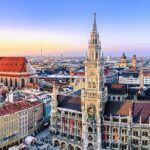
Marienplatz is Munich’s main square (since 1158), and it’s the best possible place to set your bearings. In a quick stop, you’ll get the feel of the city’s civic identity—how Munich likes to show off its status in public space.
At Marienplatz, you’ll also see the Old Town Hall and the Rathaus-Glockenspiel area. This is one of those spots where the architecture and the daily life are inseparable. Even if you’re not a clock-and-bells person, the guide’s explanation gives you a reason to care.
What makes this stop valuable for you:
- It anchors the walk. After Marienplatz, the rest of the sights make more sense because you know where you are in the city.
- It sets up the contrast. Civic pride today can feel very different once you understand what was happening in the city’s political life during the Nazi era.
Time-wise, this is short—about 15 minutes—so don’t treat it like a long photo session. Use the guide’s explanation to help you notice details you’d otherwise miss.
Frauenkirche and St. Peter’s: church stops that shape the skyline
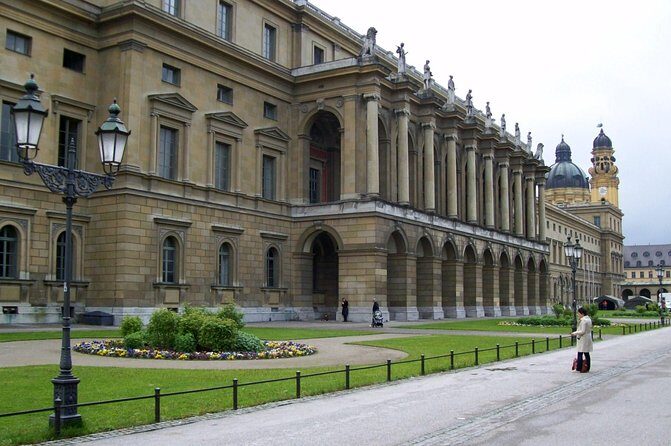
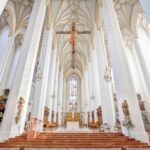
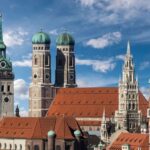
The Frauenkirche (Munich’s cathedral of the Archdiocese of Munich and Freising) is the big visual landmark most visitors recognize. You’re not going to spend all afternoon inside, but you’ll get a meaningful look at why it’s such a defining symbol in the cityscape.
St. Peter’s Church is the oldest structure of Munich. That doesn’t just sound impressive—it helps explain why the city’s center looks the way it does. The guide can use these stops to connect religion, politics, and public life over time, which ties neatly into the later Nazi-era discussion.
A key benefit here is balance. If your itinerary only focuses on Nazi history, you lose the contrast that makes the story real. These church stops give you that “Munich” layer first, so the darker chapters hit harder and feel more grounded.
One consideration: if you’re sensitive to sun, plan accordingly. Some reviews mention hot weather making the pacing feel tougher. In summer, your biggest enemy is not the churches—it’s time standing outdoors between points.
Other Munich city tours we've reviewed in Munich


Rathaus-Glockenspiel and Hofbräuhaus: why beer-hall culture matters
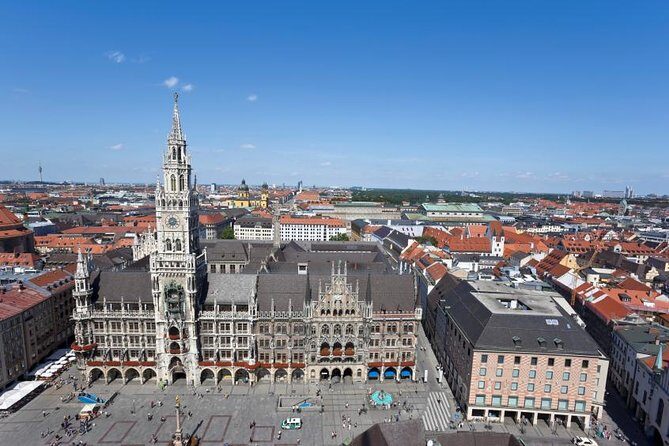
The Rathaus-Glockenspiel stop puts you at the intersection of art, civic celebration, and public spectacle. It’s a famous feature of Munich, and the guide can help you understand what you’re looking at and why locals treat it like part of the city’s personality.
Then you head to Hofbräuhaus, described as a festive 3-floor beer hall dating back to the 16th century. This is the part of the tour that connects everyday Munich to the political story later in the walk.
Here’s the key idea you’ll take with you: beer halls weren’t just places to drink. They were spaces where messages spread, crowds formed, and political theater happened. That matters when you reach the explanation of the Beer Hall Putsch in 1923.
If you want to make this stop practical, you can use it as a reset moment. Hofbräuhaus isn’t just a photo op; it’s also a chance to slow down before continuing to more serious sites.
Food and drinks aren’t included, so decide in advance whether you want to purchase something during your stop. If you skip it, you can keep the walk moving and protect the time you’ll want later.
Neus Rathaus and the Third Reich story on foot
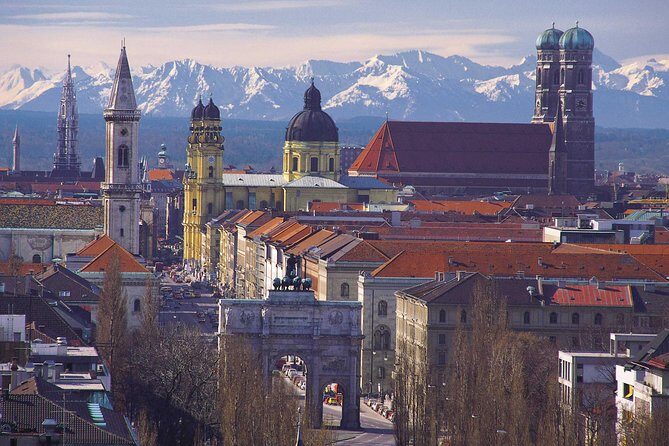
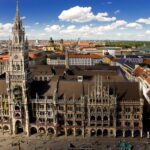
After the Rathaus area, you’ll also see the New Town Hall (Neus Rathaus). It’s another civic landmark that helps you read Munich’s center like a map of power and public image.
And then comes the main historical thread: the rise and fall of Adolf Hitler and Nazi Germany’s Third Reich—covered through locations tied to the period. The tour description includes specific types of sites you’ll encounter, such as:
- places associated with how Hitler rose to power in Munich
- the building connected to where Hitler first joined the Nazi party
- the former headquarters of the Gestapo
- the site of the Beer Hall Putsch (1923), the failed coup attempt
This is where the private guide format earns its keep. With a small group, your guide can adjust how much time they spend on the Nazi-era portions based on what you want to learn. Some guides spend more time on the political story and how it shaped Munich’s institutions and public spaces. Others may move faster through parts of it, so it’s worth being clear with your guide from the start about what you want most.
If you’re expecting this to replace a museum trip, calibrate your expectations. It’s still a walking tour with a time limit. But if you want a first look at key locations—plus the context to understand why they matter—this is a strong way to set a baseline before deeper study.
Private guiding that can actually change your experience
The biggest praise in the reviews centers on the guides. Names you’ll hear in the guide roster include Ian, Jax, Anja, Mark, Daniel, Steve Whitehall, and Franz. Across those different guides, the pattern is consistent: people felt the pace was right, and the guide tailored the route to what they cared about.
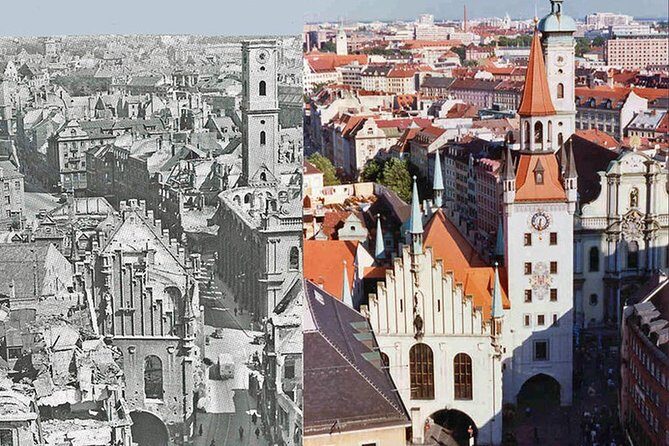
For example, one review highlights that the guide cut out the normal church stuff and adjusted the tour to their priorities. Another talks about a guide bringing old photographs that made the stories feel more alive. Another mentions a late start due to a personal issue, with the guide still completing the tour fully. That’s exactly the type of flexibility you want from a private experience.
A private guide also means you can ask awkward-but-important questions. For the Nazi-era component, you’ll likely want clarity: what happened here, who used this space, and how the city’s institutions fit into the larger story. A good guide can keep your questions from derailing the walk while still honoring them.
Practical tip: give the guide your priorities early. Tell them what you care about most—church architecture, city orientation, or the Third Reich sites—and what you’d rather skip. You’ll get a better match, and the 2 hours will feel less “fixed” and more like your walk.
What can go wrong: heat, timing, and uneven emphasis
This tour can be excellent, but it’s not bulletproof.
First, weather. Hot conditions can make a short walking tour feel long, especially when you’re spending time between stops. If you’re visiting in summer, plan hydration and keep your expectations realistic about time spent outdoors.
Second, timing and closings. One review describes a late-arrival situation where churches ended up closed before the group could see as much as planned. That doesn’t mean the tour is unreliable every time—but it does mean your experience can depend on punctuality and how fast you move through stops.
Third, depth of the Third Reich coverage. At least one review notes the guide spent limited time on that topic and moved on quickly. That doesn’t have to be your outcome. The tour is private and customizable, so you can steer the emphasis. If Nazi-era history is your top priority, say so at the beginning, and ask if you’ll have enough time at each Third Reich stop.
Finally, guides differ. One unhappy review mentioned a guide ending early and not helping with getting back. Others describe guides as helpful and attentive. The lesson for you: treat this like any private tour—set expectations upfront, confirm the meeting point, and be ready to communicate.
Who this tour suits best
This is a good fit if:
- you want a first-day orientation to Munich’s center
- you care about how history is embedded in real urban space, not just in a museum hall
- you prefer a small private walk over large-group tours
- you like asking questions and getting answers in real time
- you want a mix of famous sights and specific Nazi-era locations
It’s also a decent choice for families who want structure and a guide’s explanation, as long as the family is comfortable with the subject matter and walking pace.
If you’re someone who wants only cheerful sightseeing, the Third Reich component may feel heavy. If you’re someone who wants extremely detailed Nazi-history scholarship, a walking tour won’t replace a specialized museum or documentary-style deep dive. But as a guided “map of what mattered,” it can set you up well for whatever you do next in Munich or the wider region.
Should you book this private Munich Old Town and Third Reich tour?
I’d book it if you want a guided walk that does two things well: shows you the classic face of Munich and gives you a grounded start on the Third Reich story through specific places. The combination of short, focused stops and private customization makes the price feel more defensible—especially if you’d otherwise spend time juggling self-guided stops and still miss the context.
Before you book, do two simple things:
- Decide what you want most: old town architecture, or Nazi-era sites.
- Communicate that priority to your guide at the start, so your 2 hours gets spent where it counts for you.
If your main goal is photos and you don’t care about historical context, you may feel the cost is too high. If your goal is understanding Munich as a living city—beautiful and complicated—this private walk is a strong choice.
FAQ
How long is the private Munich Old Town and Third Reich walking tour?
The tour is listed as about 2 hours.
What’s the price per person?
The price is $239.65 per person.
Is hotel pickup included, and where do I meet?
Hotel pickup and drop-off are included for any central Munich accommodation. You can also meet at München Hauptbahnhof. The listed meeting address is Dachauer Str. 4, 80335 München, and the tour ends back at the meeting point.
How many people are on this private tour?
The tour is private with a maximum of 9 people per tour, and it notes a maximum of 10 travelers for the activity.
What’s included and what’s not included?
Included: hotel pickup and drop-off, private tour, and a professional guide. Not included: food and drinks.
What language is the tour offered in?
The tour is offered in English.