REVIEW · MUNICH
Munich: Third Reich and World War II Segway Tour of the City
Book on GetYourGuide →Operated by Firewheels Tour GmbH · Bookable on GetYourGuide
Segway and dark history in one ride. That mix is what makes this Munich tour stand out: you glide through central streets, then slow down outside places tied to the Nazi rise to power and World War II in the city. I like the feel of covering big ground fast and I especially like the human, story-led guidance that connects buildings to what happened there.
One thing to consider: the theme is heavy, and Segways can feel a bit intimidating on narrow streets or with traffic, even with safety training and helmets included. The good news is the operators train you first, and names like Abdel and Jamal show up for guides who keep riders calm and moving at the right pace.
In This Review
- Key highlights at a glance
- Segway training at Robot City: what you’ll actually do first
- Languages and guide vibe
- Gliding through Munich’s big squares: Königsplatz and Odeonsplatz
- Roads, cycle tracks, and the park factor
- Third Reich focus: Brown House, the Führer’s building, and Hitler apartments
- How to handle the heavy topic
- Old Synagogue site and WWII stories in Munich streets
- What you can expect at each stop
- Schelling-Salon and the WWII-era pub break
- What you pass that makes the timing feel worth it
- Price and value: $100 for a 3-hour guided Segway ride
- The best fit: who should book this Munich Segway tour
- Who should skip
- Practical tips for a smoother ride
- Where the guide sends you after: beer halls and Bavarian food
- Should you book this Segway tour or choose something lighter?
- FAQ
- How long is the Munich Third Reich and World War II Segway tour?
- Where do I meet the guide?
- What’s included in the price?
- Are hotel pickup and drop-off included?
- What languages is the live guide available in?
- Is the tour cancellable?
Key highlights at a glance
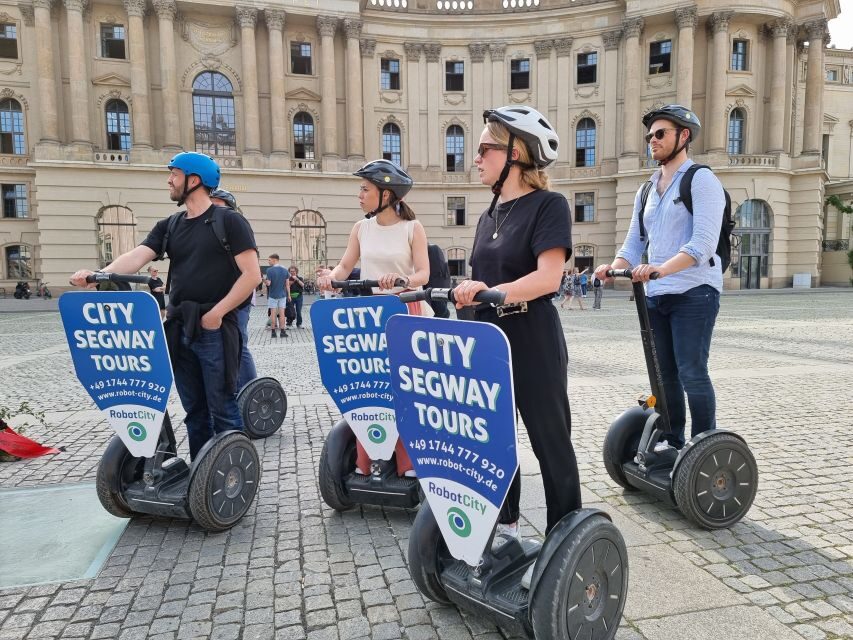
- Segway training plus helmet before you hit the streets, so first-timers aren’t thrown in cold
- Small group (up to 10) keeps the experience personal enough for questions
- Major squares and monuments like Königsplatz and Odeonsplatz on a tight 3-hour route
- Third Reich stops, including Hitler-linked apartment locations from 1920–1929 and 1933
- Old Synagogue site and WWII stories that ground the visit in real places
- Schelling-Salon as a palate-reset: a pub connected to both World War I and World War II
Segway training at Robot City: what you’ll actually do first
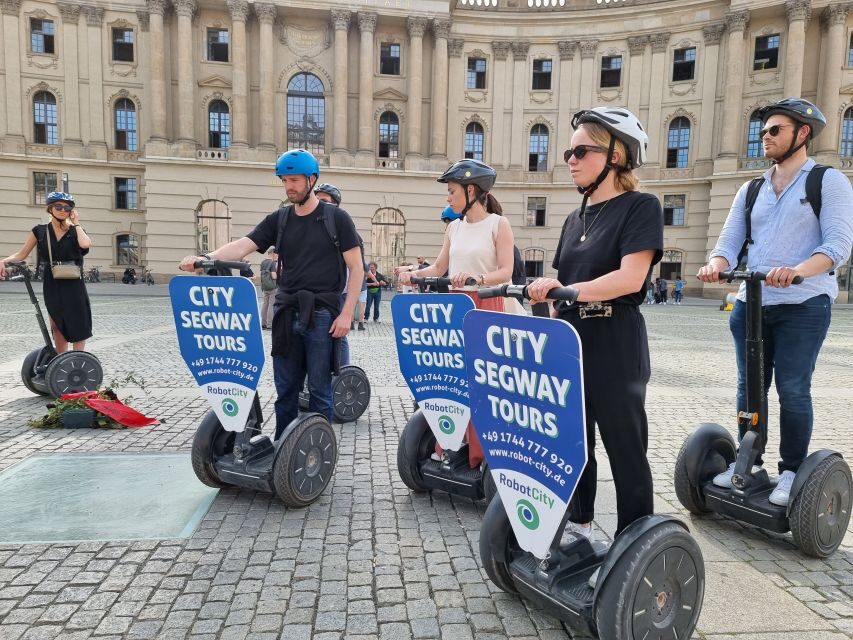
This tour starts where you’d expect a modern Segway outfit to be: at Robot City Segway Tour München. You meet your guide there, then get a quick safety briefing and instruction on how to ride.
The practical point: a Segway tour only works if you feel stable. The setup is designed for that. You practice enough to get the basics—how to start, steer, and stop—before you leave the office area and head into central Munich. If you’ve never ridden one before, you’ll probably appreciate that training step more than the “tour” part at first. It makes the rest of the ride smoother and less stressful.
You’ll also be given a helmet. That’s not a formality; on windy days or when you’re moving at a steady pace, you’ll be glad it’s part of the included gear.
Other Third Reich & WWII tours we've reviewed in Munich



Languages and guide vibe
The guide is live and available in English or German. That matters here because so much of the experience is explanation, not just sightseeing. I like having a guide who’s willing to teach you what you’re looking at, and this tour’s structure supports that.
If you end up with Abdel or Jamal on your date, you’ll want to lean into the conversation. People have described them as patient and careful with riders who are nervous at first.
Gliding through Munich’s big squares: Königsplatz and Odeonsplatz
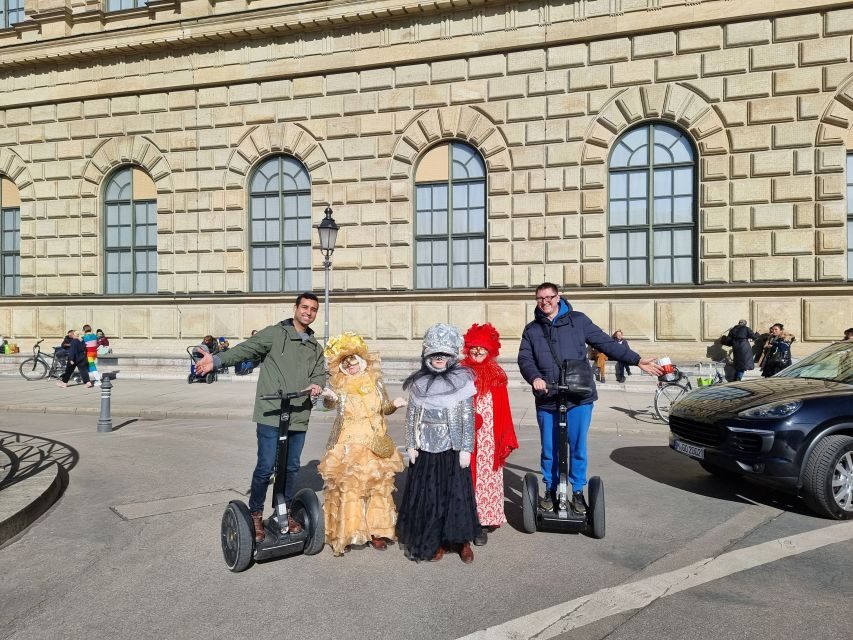
Once you’re comfortable, you’ll ride through the city with stops timed for seeing and learning without turning the tour into a marathon of walking.
Two named highlights on the route are Königsplatz and Odeonsplatz. Even if you don’t know them on day one, they’re exactly the kind of places where a guide can point out what makes the area important—how power, public life, and monuments sit in relation to street layout.
Here’s the value of Segway for stops like these: you get movement without constantly bouncing between far-apart landmarks. You’re not stuck waiting for the group to catch up every few minutes, and you’re not trapped in a bus window view either.
Roads, cycle tracks, and the park factor
Segway comfort isn’t just about balance. It’s also about the route. The ride uses city streets and includes sections that feel more forgiving, including cycle tracks and a park-style stretch near the English Garden area (depending on your day and route timing). That’s a big deal because it reduces the stress for riders who are still learning steering and speed control.
One practical drawback: a few riders can feel uneasy if a street segment feels tight or busy. The tour includes safety training, helmets, and a guide who watches the group, but it’s still wise to go in with the right mindset. Treat it like city riding training, not a theme park. If you’re prone to motion anxiety, you’ll want to mention it before rolling out.
Third Reich focus: Brown House, the Führer’s building, and Hitler apartments
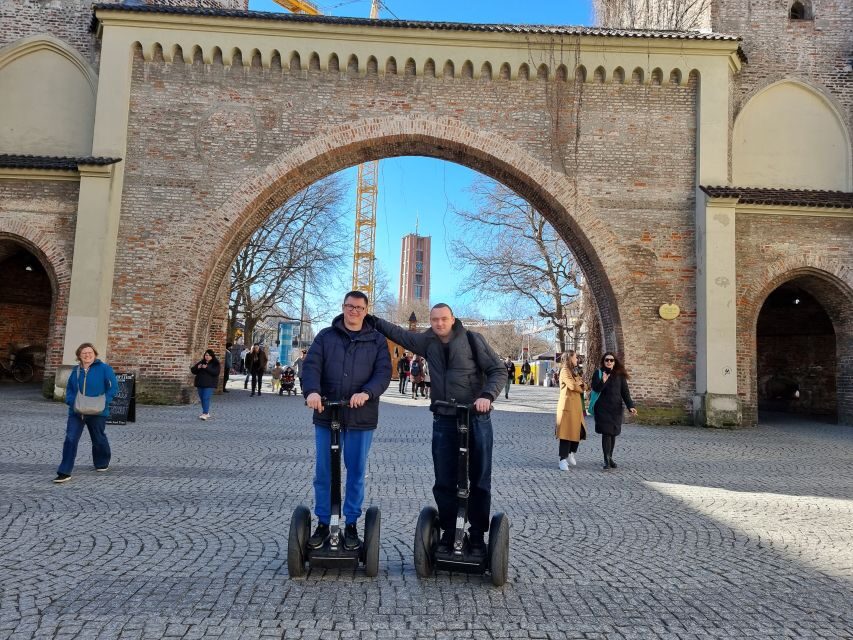
This is the emotional center of the tour. You’ll pass major sites connected to the Nazi story, including the Brown House and what the itinerary calls the Führer’s building. The guide also covers key narrative points about Hitler’s time in Munich.
Two specific apartment locations are included in the tour stops:
- Hitler’s apartment from 1920 to 1929
- Hitler’s apartment in 1933
These pauses are more than photo ops. The idea is to explain how Hitler lived in Munich and how his rise to power unfolded from that starting point. For many history-minded visitors, that’s the payoff: you’re not reading dates in a book. You’re looking at the city’s physical grid and hearing how personal history collided with public politics.
Other Munich city tours we've reviewed in Munich





How to handle the heavy topic
I recommend approaching these stops deliberately. Don’t rush. Slow down mentally as the guide guides the group through the story. Even if you come mainly for the Segway fun, these are the moments that turn the ride into something meaningful—and also uncomfortable.
There’s also a practical side. With a sensitive theme, you want a guide who can keep the tone grounded and factual in how they present what you’re seeing. This tour’s format suggests the guide does that by tying locations directly to what happened, rather than turning it into shock value.
Old Synagogue site and WWII stories in Munich streets
Another named stop is the site of the old synagogue. The tour description frames it as a chance to see the location and learn what happened in Munich during World War II.
This is exactly where an in-the-street format beats a purely museum-based visit. You’re outside, looking at the urban reality: buildings, street corners, and the sense of how daily life occupied the same space where violence and oppression also played out. Even if your guide can’t make every historical detail feel perfectly complete in a short 3-hour route, the location-based storytelling does something a lecture can’t.
What you can expect at each stop
You’ll typically get:
- a pointer to the landmark
- a short explanation tied to the WWII/Third Reich storyline
- a reminder of how this part of Munich fits into the broader timeline
One small caution from lived experience: the depth of commentary can vary depending on the guide and the exact street geometry. For example, one guest noted that an archway at the end of Leopoldstraße might only get limited attention. That doesn’t mean the tour is weak; it just means you’re trading “perfect coverage of every corner” for an efficient route that hits many major points.
Schelling-Salon and the WWII-era pub break
After the weightier stops, you get a change of pace with Schelling-Salon, a pub mentioned as a place that remained open throughout World War I and World War II.
I like this kind of inclusion because it keeps the tour from becoming only tragic or only political. Even though you’re still learning, it’s a reminder that Munich life continued around the events—night-to-night social spaces, not just government buildings. It also gives your brain a short rest from processing heavy themes.
Practically, don’t expect the tour to turn into a pub crawl. This stop is about seeing and hearing the connection, and then moving on. If you want beer, food, or a longer sit-down, the guide will usually point you toward places to return to later.
What you pass that makes the timing feel worth it
The tour is only 3 hours, so you’re not going to do this for slow strolling. You’re doing it to get your bearings and see a lot of named Munich landmarks in one go.
The route, based on the tour description, includes passing:
- Hitler-related apartment locations (1920–1929, then 1933)
- the Old Synagogue site
- Königsplatz and Odeonsplatz
- the Brown House
- the Führer’s building
- Schelling-Salon
- plus other prominent stops the guide spots along the way while explaining the city’s history
And because it’s a Segway tour, you’re covering distances without losing time to long waits. That’s one reason it can feel like good value: not because it’s cheap, but because you’re buying time and information together.
Price and value: $100 for a 3-hour guided Segway ride
At $100 per person for a 3-hour tour, the first question is simple: what’s included?
You get:
- the guide
- the Segway
- the helmet
You do not get:
- hotel pickup or drop-off
Here’s how I think about the value. If you were to rent a Segway yourself, you’d still need training, equipment, and route planning. If you were to hire a walking guide for 3 hours, you’d get the commentary but not the same distance coverage. This tour blends the two.
The small group limit (up to 10 participants) also adds value. Fewer people means the guide can manage pace and safety more easily, and riders are more likely to get questions answered without the whole group freezing mid-intersection.
One note on logistics: you’ll need to make it to the meeting point on your own. For people staying near central Munich, that’s not a big deal. For others farther out, budget the time to get there.
The best fit: who should book this Munich Segway tour
This is a great match if you:
- like city sightseeing but want to cover more than walking alone can do in 3 hours
- care about learning history through specific real-world locations
- feel comfortable trying a Segway (or you’re willing to practice early and learn step-by-step)
It’s also a smart choice for couples or small groups who want one guided loop rather than splitting up for multiple tours.
Who should skip
Based on the tour’s own rules, it’s not suitable for children under 14 and it’s not suitable for pregnant women. If you have health issues that make balancing or wearing a helmet hard, you’ll want to take that seriously.
Also, consider your emotional comfort level with WWII and Third Reich content. If you’re only looking for light sightseeing, you might find the theme heavier than you want on a fun ride day.
Practical tips for a smoother ride
A few things to prepare for, based on how this tour plays out:
- Dress for real weather. Groups have completed the tour in rain and even freezing snow conditions, so plan layers and waterproof outerwear if forecasts look iffy.
- Wear closed-toe shoes with grip. You’ll be standing, steering, and stopping.
- Don’t rush during training. If you’re new, take the practice seriously. Your comfort later depends on it.
- Ask questions during stops. The guide’s commentary is the main reason to do this format, not just the ride.
And if you’re hoping to maximize learning, you can do that by listening for connections between the places. This tour is built around that chain: apartments, political sites, and WWII-linked landmarks across Munich.
Where the guide sends you after: beer halls and Bavarian food
Even with a serious theme, the tour ends by nudging you back toward classic Munich comforts. The guide recommends places to return to, including:
- Hofbräuhaus am Platzl, a beer hall originally built in 1589
- Hofbraukeller, a spot described as serving traditional Bavarian cuisine
That’s a smart pairing. You get heavy history on the route, then you can unwind with food and beer right afterward—either nearby or at a time that works for your schedule.
Should you book this Segway tour or choose something lighter?
Book it if you want a time-efficient way to see central Munich and you’re genuinely interested in how the Nazi story and World War II timeline show up in the city’s real places. The Segway format makes the route feel fast and fun without skipping the guided explanation.
Skip it if:
- you want a purely cheerful sightseeing day
- you’re easily stressed by city riding or tight street moments
- you’re not ready for WWII/Third Reich themes
If you’re on the fence, here’s my rule of thumb: treat this as an educational ride with a strong guided voice, not as a casual Segway outing. If that fits your trip goals, it’s an easy choice for a short Munich visit.
FAQ
How long is the Munich Third Reich and World War II Segway tour?
The tour lasts 3 hours.
Where do I meet the guide?
Meet your guide at Robot City Segway Tour München.
What’s included in the price?
The price includes the guide, a Segway, and a helmet.
Are hotel pickup and drop-off included?
No, hotel pickup and drop-off are not included.
What languages is the live guide available in?
The live guide is available in English and German.
Is the tour cancellable?
Yes. It offers free cancellation up to 24 hours in advance for a full refund, and you can reserve now and pay later.