REVIEW · MUNICH
Third Reich – Facts about WWII : Small Group Walking tour
Book on Viator →Operated by Paul Riedel · Bookable on Viator
Munich tells stories in plain sight. This short walking tour strings together major World War II sites tied to the Third Reich, Hitler’s rise, and the Bavarian resistance, with a guide keeping it clear and human. You’ll move through key squares and landmark buildings in just a few hours, with stops designed so you get your bearings fast.
I especially like the small group size and the way the guide, Paul Riedel, adjusts to what you want to know. Another standout for me is the pace: the route covers a lot without turning into a rushed sprint between photos. You also get context that helps you read what you’re seeing on the street instead of just collecting names.
One possible drawback: some stops are exterior-focused and some sites’ admission isn’t included, so if you want to go fully inside every building, you may need extra time and tickets beyond the tour.
In This Review
- Key points worth knowing before you go
- Why this Third Reich facts walk works in Munich
- Meeting point, walk ends at Haus der Kunst
- Konigsplatz: book burning, camera angles, and granite symbolism
- Paul von Trost’s Nazi-built twins and the NS Documentation Center
- Karolinenplatz: the Bruckmanns and how society helped Hitler
- Justizpalast and the Scholl trials: resistance written into courtrooms
- Briennerstrasse 7: doctors who decided life and death
- Platz der Opfer des Nationalsozialismus: Gestapo roots and a victim monument
- Residenz München: Nazi presence in a royal setting
- Hofgarten and the idea of Degenerated Art
- Ludwig Maximilian University: naming the White Rose connection
- Odeonsplatz and the Hitler Putsch: tragedy in a public square
- Haus der Kunst and Paul von Trost: art buildings with political weight
- What you get in 2–3 hours: timing and admission reality
- Getting the most out of Paul Riedel’s walk
- Should you book the Third Reich WWII facts walking tour in Munich?
- FAQ
- How long is the Third Reich facts small group walking tour in Munich?
- How many people are on the tour?
- What’s the price per person?
- Do I need to buy admission tickets during the tour?
- Where does the tour start and end?
- Is cancellation free?
Key points worth knowing before you go
- Max 15 travelers means less crowding and more time to ask Paul Riedel questions
- A tight 2–3 hour route hits major WWII landmarks without dealing with city traffic
- Konigsplatz gets special attention, including book burning and the square’s symbolism
- You’ll connect ideology to real addresses, like doctors’ decisions at Briennerstrasse 7
- Several stops are free, but a few important venues have admission not included
- Mobile ticket and public-transport access make it easier to fit into your day
Why this Third Reich facts walk works in Munich
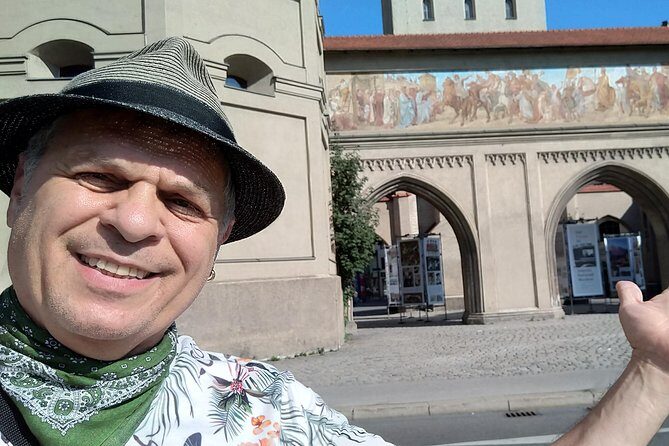
Munich can feel straightforward until you start noticing how often the city’s past is written into the architecture. This tour is built for that exact problem: you’re walking in central Munich, but your guide gives you the threads—who was involved, why certain places mattered, and how resistance fit into the larger story.
The best part is the time commitment. At 2 to 3 hours, you can do meaningful, heavy history without wrecking your afternoon. And because it’s on foot, you avoid the constant stop-and-start of getting around—no waiting on buses, no guessing where to park, no trying to stitch together half a dozen far-flung stops.
Paul Riedel’s style is also a big part of the value. The tour isn’t just facts dumped in order. You get explanations that tie street-level views to what was happening politically and socially around the Nazi movement. It also sounds like he has a lot of energy, and he paces the walk to your interests rather than forcing a one-size-fits-all script.
Other Third Reich & WWII tours we've reviewed in Munich

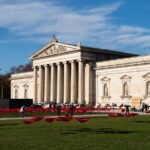

Meeting point, walk ends at Haus der Kunst
You’ll start at Karlstor / Neuhauser Str., 80331 München at 1:00 pm and finish at Haus der Kunst, Prinzregentenstraße 1, 80538 München. That end point matters because you’re not retracing steps back to the start—you’ll likely continue on toward dinner or another nearby stop.
The tour uses a mobile ticket, which is convenient if you don’t want to mess with printed vouchers. It’s also near public transportation, so if you’re staying somewhere else in the city center, you can still get in and out without stress.
Plan for a walk that’s history-heavy. Even if you’re comfortable with WWII content, it helps to wear shoes you can stand in comfortably and have water. The route includes multiple outdoor stops, short and focused, so your comfort will affect how much you enjoy it.
Konigsplatz: book burning, camera angles, and granite symbolism
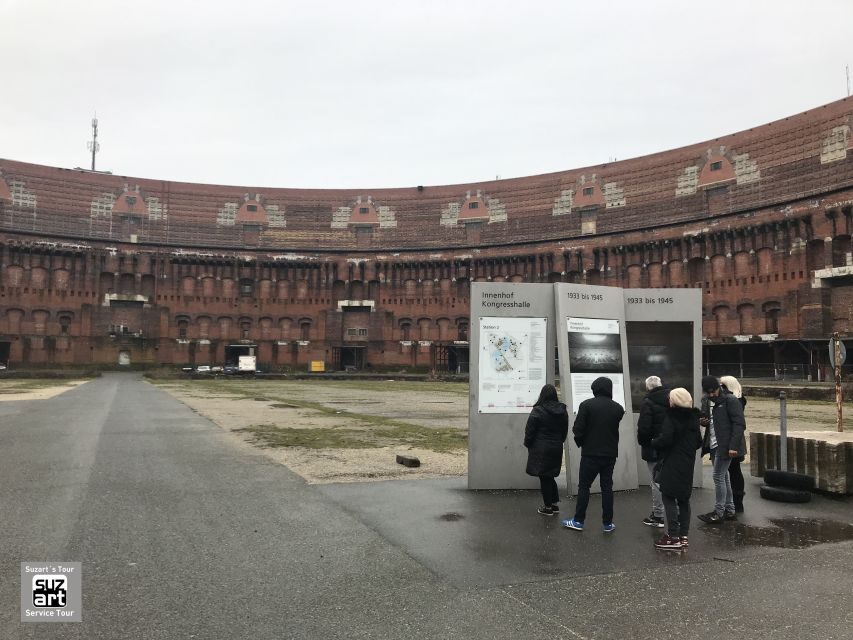
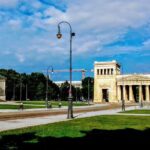
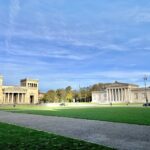
Konigsplatz is where the Nazis tried to make their message look permanent. In this part of the walk, you’ll stand in the square and hear about the burning of books, plus how film pioneer Leni Riefenstahl used camera positions here. You’ll also learn about the granit plates over the square, which helps you understand that this wasn’t random public space—it was stage design.
This is one of the tour’s smartest stops because it’s both visible and teachable. You don’t need museum walls to understand that the place was arranged to project power. Even if you’ve seen photos online, being there lets you grasp how crowds and ceremonies could work in real space.
It’s also a free stop (about 10 minutes), so you’re not paying extra to get the core idea. The only consideration: because it’s short, you’ll want your questions ready if something grabs you—people often get focused on the book burning angle, while others lean more toward the visual propaganda side.
Paul von Trost’s Nazi-built twins and the NS Documentation Center
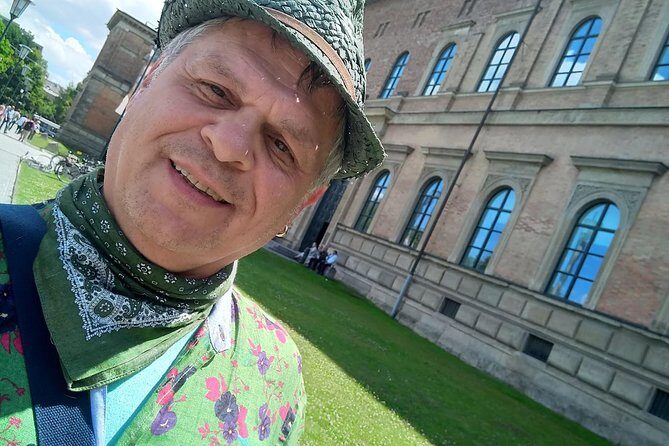
Next you’ll look at the Museum für Abgusse Klassischer Bildwerke—the twin buildings designed by Paul von Trost and built for the Nazis. This part is brief, but it’s a useful reminder that ideology used art, architecture, and scale as persuasion tools. You’ll see the building presence first, then let the guide translate what that meant in context.
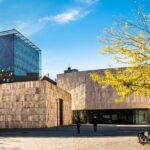
After that, you’ll head to the NS-Dokumentationszentrum München. This stop is where the story becomes more explanatory: you’ll hear about the Brown House, how Hitler organized the NSDAP, and how the church was involved during WWII. That mix of political organization plus social institutions is important, because it shows how the Nazi movement wasn’t only about rallies and speeches—it was also about systems and relationships.
One practical point: for both of these stops, admission isn’t included. So think of this segment as “guided orientation” rather than a guarantee that you’ll spend long inside. If you’re the type who always wants to go fully into a museum, you might need to plan extra time on a separate day.
Karolinenplatz: the Bruckmanns and how society helped Hitler
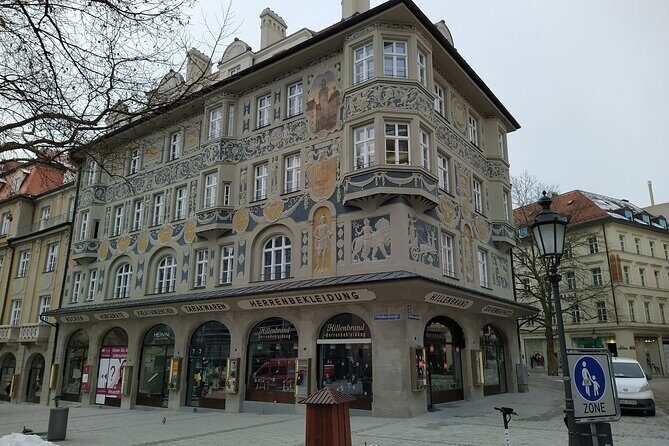
At Karolinenplatz, the story shifts from institutions to networking. You’ll hear about the couple Bruckmanns and their importance in the rise of Hitler as a charismatic figure. The core idea here is that connections matter—movement leaders don’t grow only from ideology; they also grow from access to the right rooms and influential circles.
This stop is free and scheduled around 5 minutes, so it’s not trying to become a lecture. Instead, it gives you a key piece of the puzzle: how early public attention can be shaped by private social influence.
The drawback is the flip side of the benefit. Because the stop is short, you won’t leave with every detail. If this theme is your focus, you’ll get more out of it if you ask Paul Riedel one targeted question while you’re there—something like what changed when Hitler moved from fringe to mainstream recognition.
Other walking tours we've reviewed in Munich
Justizpalast and the Scholl trials: resistance written into courtrooms
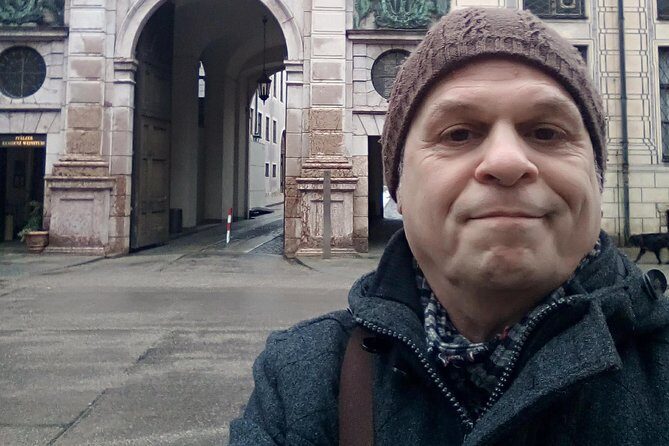
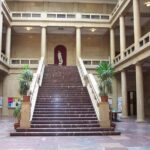
At Justizpalast, you’ll connect the Nazi regime to law and punishment. The guide focuses on the trials connected to the sisters Scholl, plus other Nazi trials. This is a good moment to remember that resistance didn’t stay in pamphlets and graffiti. It met the state at its sharpest point: courts, sentences, and official records.
What makes this stop valuable is that it adds emotional weight without getting theatrical. You can stand there and think: people didn’t just argue against Nazi ideology—they were processed by a legal system built to crush that opposition.
Also, this stop is free and only about 5 minutes, so it acts like a bridge. Later in the walk, you’ll see places that reinforce the White Rose resistance connection again, which helps you build a coherent story instead of isolated facts.
Briennerstrasse 7: doctors who decided life and death
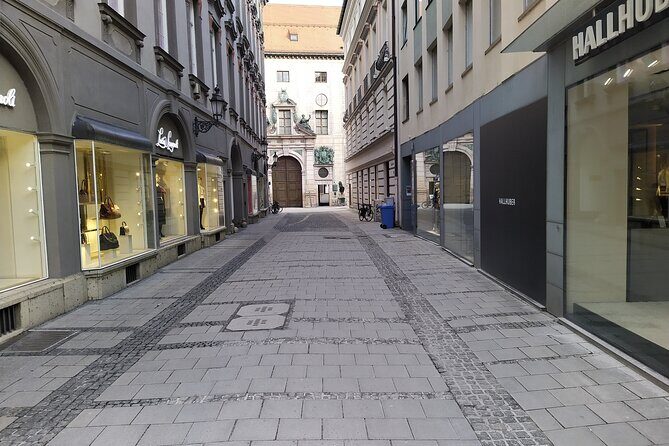
At Briennerstrasse 7, you’ll hear about Haus der Deutsche Ärzte (listed as number 23) and the dark past of doctors who made decisions about life and death. This isn’t a light stop, but it’s one of the most important ones because it shows how Nazi ideology reached into medicine and authority.
Even though you’re outside, the guide’s framing helps you understand the chilling logic: when a government controls institutions, it can shape who gets helped, who gets judged, and who gets discarded. That’s a huge theme in WWII history, and Munich has locations where you can point to that theme directly.
This stop is also free and about 5 minutes. Short doesn’t mean shallow here—the key is how you leave with a sharper idea of how everyday professions were pulled into the machinery of the regime.
Platz der Opfer des Nationalsozialismus: Gestapo roots and a victim monument
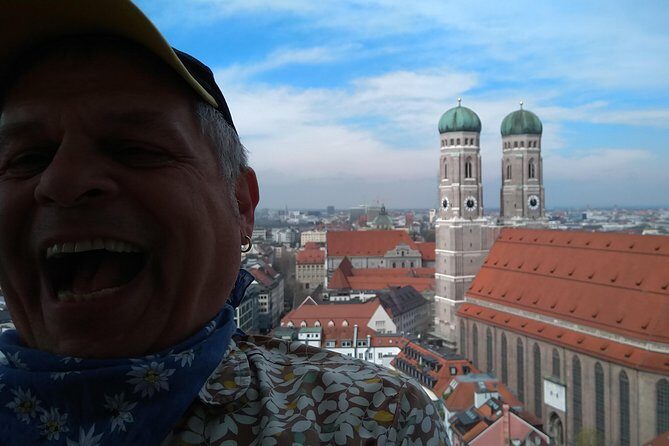
The walk then reaches Platz der Opfer des Nationalsozialismus. Before you arrive, you’ll see the early Wittelsbacher Palais, described as a central place from the Gestapo. After that, you’ll stand at the monument to the victims from the NSDAP.
This arrangement matters. It doesn’t just name victims as a concept—it pairs the source of terror with the public memorial that follows it. The contrast makes the message hit harder: a place can be both administrative and brutal, and later, society can choose remembrance.
This is about 10 minutes and free. The only thing to keep in mind is emotional readiness. If you’re sensitive to human-rights topics, give yourself a small pause here before moving on.
Residenz München: Nazi presence in a royal setting
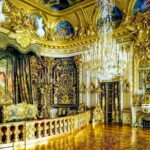
Next you’ll visit Residenz München, where a Nazi man once lived in the residence of Bavarian kings and dukes. You’ll also hear about the night of the amazones. The point of this stop isn’t just that a Nazi person stayed in a famous building. It’s that the regime didn’t reject tradition—it borrowed status and turned it into legitimacy.
Admission for this stop is not included, and it’s about 10 minutes, so expect guidance focused on the exterior and the framing. If you want to go deeper inside, you’ll likely need additional plans beyond the tour.
This stop can be thought-provoking in a specific way. It asks you to consider how power works: sometimes domination is loud. Sometimes it’s dressed in familiar grandeur.
Hofgarten and the idea of Degenerated Art
At Hofgarten, you’ll hear about what was called degenerate art, tied to an exhibit involving many expressionist artists. This is one of the clearest ways the tour shows how the Nazi regime tried to control culture. It wasn’t only about who had political power—it was also about what forms of creativity were allowed to exist.
This stop is free and scheduled for about 10 minutes. The ideal way to get something from it is to remember the guide is helping you interpret the label and the purpose behind it. Even without getting inside a gallery, you’ll learn how the regime used culture as a boundary line between acceptable and unacceptable ideas.
A drawback: if art politics is your big interest, the short timing might leave you wanting more. Still, for most people, this provides the useful context to decide if you want to add extra art sites on your own.
Ludwig Maximilian University: naming the White Rose connection
At Ludwig Maximilian University, the walk brings you back to the sisters Scholl and their White Rose resistance against the Nazis. This stop gives the resistance story a clear geographic anchor, linking the movement’s memory to a real academic setting in Munich.
This is another free stop and about 10 minutes, which makes it easy to fit into the flow without feeling like you’re losing the afternoon. It also helps you connect how resistance operated at multiple levels: through words, through education spaces, through public ideas that were treated as threats.
If you’ve been following along and the earlier trial stop felt heavy, this one often provides a different angle: the same people and ideas can be seen as both punished and remembered.
Odeonsplatz and the Hitler Putsch: tragedy in a public square
Odeonsplatz is where you’ll hear about the Hitler Putsch—described as an “exciting chapter” of tragedy in the city’s story. You’ll also return to Odeonsplatz later to cover the Putsch again and other major events from the Nazi campaign.
Why I like this part of the route: public squares are where ideology tries to look normal. When you hear about major political turning points in a space like Odeonsplatz, the story stops being something that happened in a book. It becomes about how leaders used crowds, timing, and visible landmarks.
These stops are free and range from about 10 to 15 minutes depending on the segment. The only consideration is that it’s easy to miss nuance if you’re skimming for the headline events. Slow down for a moment and listen for how the guide ties the Putsch to later outcomes.
Haus der Kunst and Paul von Trost: art buildings with political weight
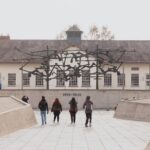
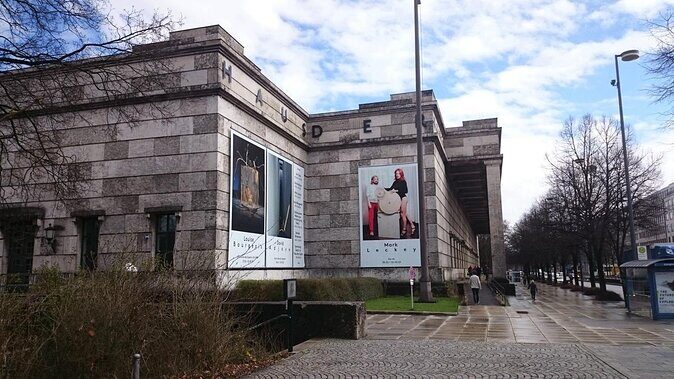
You’ll also see Haus der Kunst, with another reference to Paul von Trost and a discussion of art in the building. This stop keeps the tour’s culture-and-power thread running: the Nazis cared about aesthetics, institutions, and the authority of major venues.
Admission for this stop is not included, so treat it as a guided look plus interpretation rather than a full museum visit. Still, for many people, the value is in the explanation—why the building mattered, and how it fits into the broader story you’ve been hearing.
Because this is near the tour’s end point, you’ll likely be able to continue into the area for other activities if you still have energy.
What you get in 2–3 hours: timing and admission reality
This tour is designed as a tight walk with short stop times—often around 5 to 10 minutes. That means you’re not going to spend long inside every site. Instead, you get guided orientation and enough context to make those places make sense.
Here’s the practical expectation: some stops are free, while others include admission not included. The areas marked as not included include the Museum für Abgusse Klassischer Bildwerke, NS-Dokumentationszentrum München, Residenz München, and Haus der Kunst. Plan for the possibility that you may want to return later or add time if a specific venue really pulls you in.
That’s not a deal-breaker. In fact, it can be a good way to travel smarter. You walk, you understand, you decide. If you still want more after the tour, you’ll know exactly what you care about—and you won’t waste time guessing.
Getting the most out of Paul Riedel’s walk
This kind of tour rewards attention, not speed. Here are a few ways to get more from it while keeping it enjoyable:
- Bring a simple question you want answered, like how the regime used art, law, or institutions.
- Take notes on whatever location connects most with you—then you can follow up later on your own.
- Wear comfortable shoes. The route is short, but you’ll stand and look at several places in succession.
- If you care about resistance and the White Rose, keep an eye on the Scholl mentions across the walk so the story stays connected in your mind.
- If you’re drawn to propaganda and symbolism, focus on the Konigsplatz and art-related stops so you can compare their messages across different settings.
Also, the small group size makes it easier to ask follow-ups without feeling like you’re interrupting. That’s one reason I like this style of tour: it’s guided enough to be useful, but small enough to feel personal.
Should you book the Third Reich WWII facts walking tour in Munich?
If you want a time-efficient, guided way to understand Munich’s WWII Third Reich footprint, I think this tour is a strong pick. You get major landmarks across politics, culture, and resistance, and you’ll finish with a route-ending point at Haus der Kunst that’s easy to continue from. The small group and Paul Riedel’s energy and pacing are the kind of details that make a difference on a walking tour.
I’d say it’s especially worth it if:
- you like walking, but you don’t want to plan a complicated itinerary yourself
- you want a clear narrative thread rather than random facts
- you’re curious about how propaganda, architecture, institutions, and everyday authority connected
Skip it or plan extra time if you know you want to go deep inside the venues with admission not included. This tour is best for orientation plus context, not for a full museum marathon.
FAQ
How long is the Third Reich facts small group walking tour in Munich?
The tour runs for about 2 to 3 hours.
How many people are on the tour?
The group size is limited to a maximum of 15 travelers.
What’s the price per person?
The listed price is $109.86 per person.
Do I need to buy admission tickets during the tour?
Some stops are marked as admission free, while others have admission not included, so you may need separate entry for certain venues.
Where does the tour start and end?
It starts at KarlstorNeuhauser Str., 80331 München and ends at Haus der KunstPrinzregentenstraße 1, 80538 München.
Is cancellation free?
Yes, free cancellation is offered. You can cancel up to 24 hours in advance for a full refund.