REVIEW · MUNICH
Inside the Third Reich (Private Tour)
Book on Viator →Operated by Big Hat Tours · Bookable on Viator
Munich’s Third Reich is on the street. I love that the route sticks to real locations—Isartor, Platzl, Odeonsplatz—where the movement took shape, not museum-only storytelling. You’ll also get Curt Milburn’s iPad with films and images that help you read the buildings, plus time to ask questions as you go. One watch-out: this is heavy history, so expect some uncomfortable moments.
Because it’s private, your group only shares the walk with itself, and Curt can steer the detail level to match your interests. The tour runs about 2 to 3 hours, starting at 10:30 am at Marienplatz 18 and ending back at the meeting point.
You’ll move through Munich’s old-town core, with stops built around key turning points and even time to sample local foods and take in stunning architecture. By the end, you’ll have a clearer sense of how decisions made in public spaces led to large-scale cruelty—and how parts of the city still show the damage.
In This Review
- Key highlights worth your time
- A private Third Reich route through Munich’s most revealing corners
- Curt Milburn and the iPad-driven story behind the buildings
- Walking the stops: Isartor, Platzl, and the places where power was performed
- Isartor: the original beer hall where Nazis met
- Platzl: Hitler’s first speech and the moment of momentum
- Old Town Hall: Kristallnacht begins, and an assassination attempt
- Platzl (again): evidence of war damage on Munich’s buildings
- Odeonsplatz: purge of the SA and sites of speeches
- Platz der Opfer des Nationalsozialismus: memorial to victims
- Glyptothek: rally grounds and surviving fascist buildings
- Alter Botanischer Garten: the Nazi Eagle still on public display
- Residenz Munchen: failed putsch and resistance
- War damage on Munich facades: the moment the city changes meaning
- Price and group value for $180.72 per group
- Who this Munich Third Reich tour is best for
- Should you book Inside the Third Reich in Munich?
- FAQ
- How long is the Inside the Third Reich private tour in Munich?
- Where does the tour start and what time is it?
- What is the price for the tour?
- Is it a private tour?
- Does it include a ticket on your phone?
- Can I cancel for a full refund?
Key highlights worth your time
- Private and question-friendly: Your group can ask questions throughout, not at the end.
- Curt Milburn’s iPad support: Hundreds of films and images help you connect street corners to what you’re learning.
- Munich’s Nazi-era sites, in walking order: Real locations tied to speeches, power shifts, and violence.
- War damage you might miss: You’ll look at building facades with a different eye after specific context.
- Memorial and aftermath: You don’t just hear about events—you also visit a place honoring victims.
- Short stops, high focus: Each location is timed so you get the key meaning without long waits.
A private Third Reich route through Munich’s most revealing corners
This tour works because it doesn’t treat Munich as a backdrop. It treats the city like evidence. You walk from one specific place to another—beer hall origins, first public success moments, propaganda-style speeches—and you’re guided toward what each stop meant in the bigger story of Nazi power.
I like that the route includes both “how it started” and “what it did.” You’ll see sites tied to Hitler’s rise and also places tied to violence and resistance. That mix helps you avoid the common trap of studying dates without understanding the human chain reactions behind them.
You also get the practical benefit of staying outdoors and looking at the architecture directly. A building’s scale, style, and location matter, because propaganda always needed stagecraft. This walk makes you think about visibility—who could see what, where messages were delivered, and how crowds were gathered.
Other Third Reich & WWII tours we've reviewed in Munich


Curt Milburn and the iPad-driven story behind the buildings
Curt Milburn is the reason this tour feels personal. He’s been doing this for over 7 years, is described as the #1 tour guide in Munich, and has accumulated over 700 glowing reviews. That track record matters because Third Reich history has traps: oversimplification, rumor-as-fact, and storytelling that turns painful events into trivia.
Curt’s approach, based on what you’ll experience on the tour, is built to keep things grounded. He uses his iPad not just as a slideshow, but as a visual aid so you can compare what you’re seeing now with historical images. The iPad includes hundreds of films and images from over 1000 years of European history, which helps when your brain needs a time-and-place anchor.
Another strong point is flexibility. This is not a rigid script where you’re stuck with one pace. Curt can move discussion from big themes down to the details you care about. If you want more background on specific figures or how the rise unfolded, you can ask. If you want a tighter focus on what happened in these Munich streets and buildings, you can steer it that way.
The guide also comes across as patient. When history gets dense or uncomfortable, it’s easy to feel lost. Here, you’re set up to ask, clarify, and keep going without feeling rushed.
Walking the stops: Isartor, Platzl, and the places where power was performed
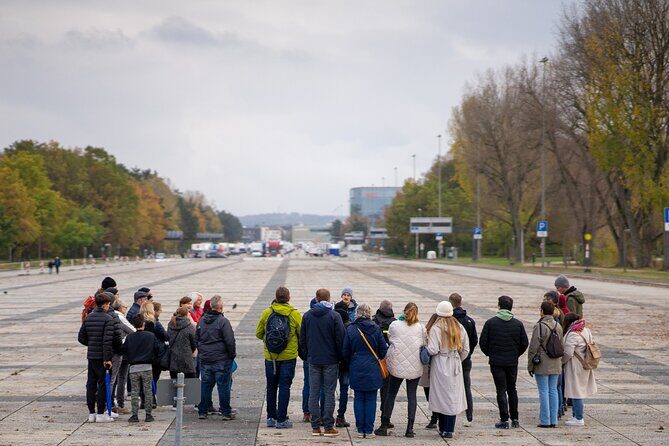
The tour is timed in short chunks—mostly around 10 to 20 minutes per stop. That’s a good format for two reasons. First, you spend more of your overall time outside looking at real streets. Second, it forces the guide to get to the meaning of each location quickly, then let you absorb it before moving on.
Here’s how each key stop fits into the story:
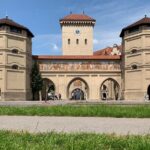
Isartor: the original beer hall where Nazis met
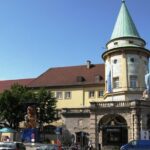
At Isartor, you’re oriented to an early setting tied to Nazi activity. The tour frames it as the kind of local gathering place where Hitler met the Nazis and where movement-building could happen in plain sight. Even without going inside a museum, you start to understand how power grew from social spaces—not only from government rooms.
Time here is about 15 minutes, so it’s less about reading every stone and more about learning what to notice. Look at surrounding street layout and entry points; the meaning of a “meeting place” depends on who would naturally gather there.
Platzl: Hitler’s first speech and the moment of momentum
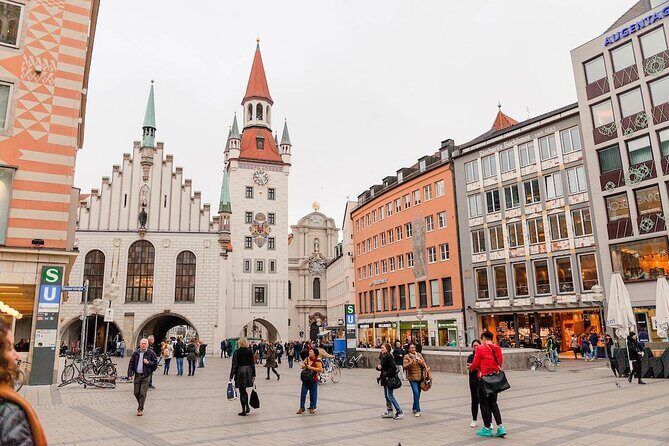
Next you head to Platzl for Hitler’s first speech and his early rise to success. This is one of the stops that makes the tour’s storytelling feel practical. You’re not only learning what happened—you’re also seeing where the public-facing stage would have been.
Time is around 20 minutes. That’s enough to connect the speech context to how crowds respond and how messaging gets repeated. If you tend to skim through history books, this stop is a good reset button.
Other private tours in Munich



Old Town Hall: Kristallnacht begins, and an assassination attempt
At Old Town Hall, the focus shifts to violence. You’ll learn about the beginning of Kristallnacht tied to this site, plus the location of an assassination attempt on Hitler’s life. It’s a jarring jump, and that’s part of what makes this tour effective: it doesn’t let you treat the rise and fall as separate stories.
This stop lasts about 20 minutes. Because the subject is so intense, I’d treat this as a “slow down” moment. Let Curt explain the sequence, then give yourself a minute to look at the building again with the new context.
Platzl (again): evidence of war damage on Munich’s buildings
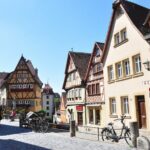
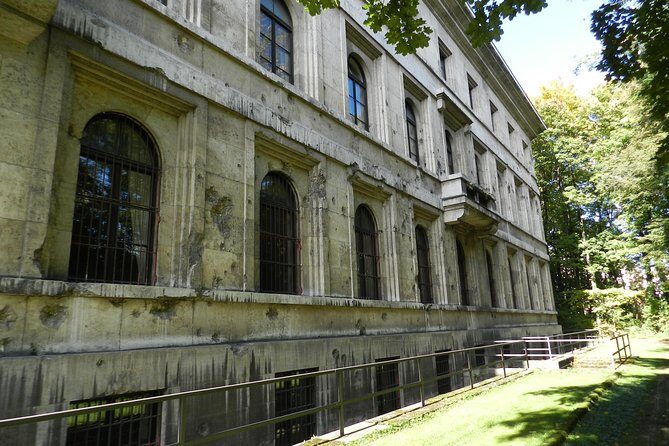
Back in Platzl, you get something many people miss when they tour Munich: visible evidence of war damage on beautiful facades. The point isn’t to stare at scars. It’s to understand what survival and destruction look like in real urban detail.
This stop is around 15 minutes, and it’s a strong contrast to the earlier propaganda-related stops. You may walk in thinking you’re learning speeches and strategy; you’ll leave thinking about cost—how the physical city keeps reminders long after the headlines fade.
Odeonsplatz: purge of the SA and sites of speeches
At Odeonsplatz, you’ll hear about Hitler’s purge of the SA and you’ll also learn why the area mattered for speeches. This is where the narrative tightens: the movement’s political theater meets internal power struggles.
It’s about 10 minutes here. That’s short, but short works when the guide keeps it focused. Use the time to understand what kind of public square makes mass messaging effective.
Platz der Opfer des Nationalsozialismus: memorial to victims
Then you stop at Platz der Opfer des Nationalsozialismus, Munich’s memorial to those who died at the hands of the Third Reich. This is the emotional “breathing space” that the tour needs, because it turns the story from perpetrators and tactics to victims and remembrance.
The stop is around 15 minutes. Give yourself enough attention here so it doesn’t become a photo-stop. Reading a memorial is part of how you process the rest of the route.
Glyptothek: rally grounds and surviving fascist buildings
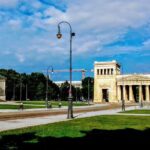
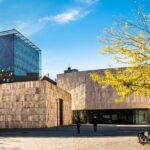
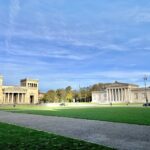
At Glyptothek, the tour connects Munich to rally grounds and to fascist buildings of Hitler that still stand. This is one of those “how is this still here?” moments, and it’s exactly why this kind of guided walking works. You’re not just seeing a landmark; you’re seeing continuity.
Expect about 20 minutes at this stop. It’s long enough for Curt to connect what you see now with what the space once enabled. When you look at the architecture after that, you’ll likely notice details you would have ignored otherwise.
Alter Botanischer Garten: the Nazi Eagle still on public display
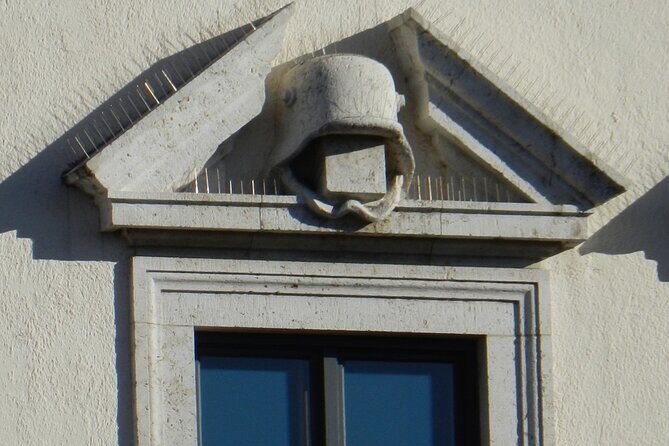
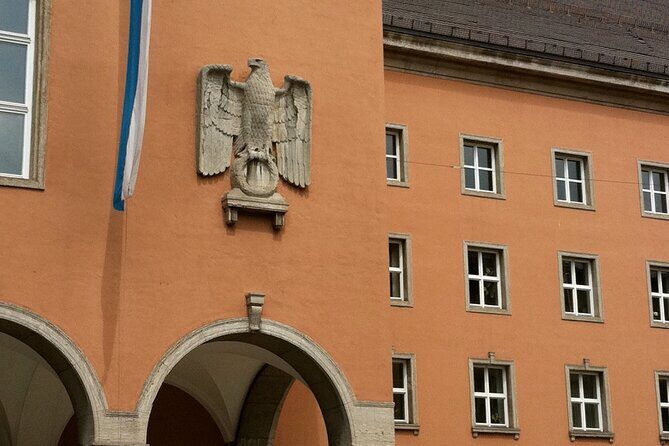
At Alter Botanischer Garten, you’ll see the largest Nazi Eagle still on public display in Germany. This stop is striking, because it forces you to face how symbols can remain in public view—and why historical context matters when something shocking is right there in front of you.
This one lasts about 15 minutes. Use that time to understand what you’re looking at, then step back. Even if you’re a history fan, you’ll probably find this moment more intense than you expect.
Residenz Munchen: failed putsch and resistance
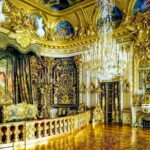
Finally, you reach Residenz Munchen, tied to Hitler’s failed putsch and stories of resistance to the Nazis during the Third Reich. This ending matters because it adds agency back into the narrative. It’s not only about how the regime took control; it’s also about what people tried to do once they saw where things were going.
This stop is around 20 minutes. It can feel like the tour’s “meaning-making” phase—tying earlier places of power to later places of defiance.
War damage on Munich facades: the moment the city changes meaning
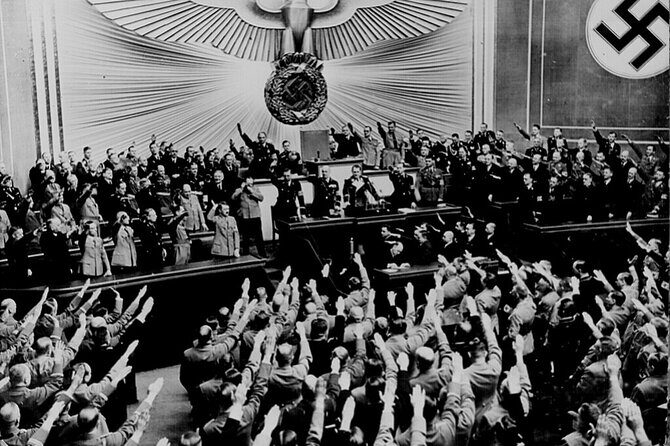
One of the tour’s most persuasive elements is the way it teaches you to look at war damage as part of the story, not as random background. At the Platzl stop focused on evidence of war damage, the guide pushes you to notice how destruction and repair show up on the street level.
I find that this is where the tour stops being just informative and becomes personal. You start thinking about the generations who lived with that change. Even if you came for Nazi history, the “after” matters because it shows the timeline didn’t end when the speeches stopped.
A practical tip: at that war-damage stop, don’t hurry to the next location. Spend a couple minutes taking in the building lines and what looks restored versus what looks damaged. The guide’s context will shape what you see next.
Price and group value for $180.72 per group
The price is listed as $180.72 per group, up to 15 people. That’s a big deal for value, because you’re not paying a per-person rate that punishes families and friend groups. If you’re traveling with others who want history with real-world visuals and space for questions, it can work out like a smart splurge rather than a budget-breaker.
The duration—about 2 to 3 hours—also supports the cost. You’re getting a complete, timed loop of meaningful locations rather than a long wandering walk where the guide can’t cover everything.
One extra value signal: the experience is often booked about 66 days in advance. That doesn’t mean it’s impossible to find last-minute options, but it does suggest popularity. If Third Reich history is high on your list, plan earlier rather than later.
Who this Munich Third Reich tour is best for
This tour fits people who want more than a surface outline. If you like asking questions and want answers tied directly to specific locations—beer halls, squares, civic buildings—this is your kind of format.
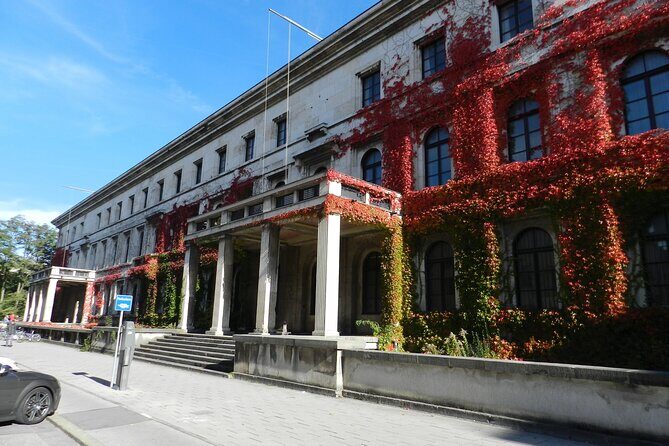
It also fits architecture lovers. The tour is built around seeing the spaces where speeches happened and how the city still carries traces of what was done. Even if you don’t consider yourself a “history person,” the building-and-street approach can make the subject easier to hold in your head.
The main consideration is emotional weight. This route includes Kristallnacht context and Nazi victim memorial space, plus major symbolism still visible today. If that’s going to be hard for you, plan for it mentally, and don’t feel pressured to force yourself through every detail.
Practical notes from the experience info: service animals are allowed, the area is near public transportation, and most people can participate. Since it lasts a couple hours, you’ll want shoes that handle walking comfortably.
Should you book Inside the Third Reich in Munich?
Book it if you want a private, question-friendly Munich walk tied to specific Third Reich-era sites, with an iPad that turns street corners into visual context. Book it if you’d rather understand the city’s role in the story than just memorize names from a book.
Skip it if you’re looking for light sightseeing or if you know you want only upbeat, low-emotion content. This tour takes the topic seriously, and it will feel serious while you’re there.
If you decide to go, one smart approach is to come with a couple questions in mind—especially around how speeches, public space, and power shifts connect. Curt can work with what you bring, and that’s when this kind of tour feels most worth it.
FAQ
How long is the Inside the Third Reich private tour in Munich?
It runs about 2 to 3 hours.
Where does the tour start and what time is it?
The meeting point is Marienplatz 18, 80331 München, Germany, and the start time is 10:30 am.
What is the price for the tour?
The price is $180.72 per group, for groups of up to 15 people.
Is it a private tour?
Yes. It’s private, so only your group participates.
Does it include a ticket on your phone?
Yes, it uses a mobile ticket.
Can I cancel for a full refund?
Yes. You can cancel up to 24 hours in advance for a full refund.